
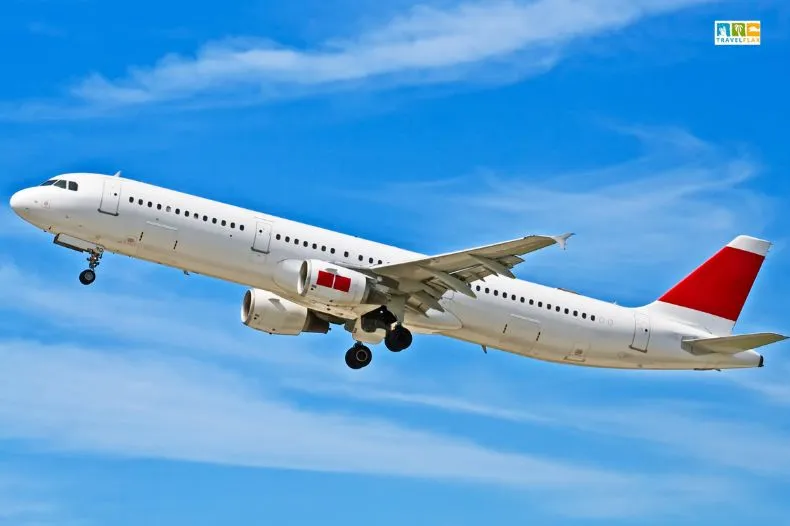
Frontier Airlines new routes have once again made headlines, signaling that America’s favorite ultra-low-cost carrier isn’t slowing down anytime soon.
In a move that strengthens its domestic footprint, Frontier announced 15 new U.S. routes connecting major hubs and regional airports across the country.
But beyond the usual “new routes” buzz, this expansion is more than just a schedule update — it’s a reflection of how budget travel is reshaping American skies in 2025.
As major carriers scale back on short-haul routes, Frontier is strategically stepping in to fill those gaps, giving travelers more affordable ways to reconnect, explore, and move freely across the U.S.
The Vision Behind Frontier Airlines’ New Routes
The latest announcement isn’t just about adding flights; it’s about redesigning travel accessibility. Frontier’s mission has always been clear: to make air travel affordable for everyone.
The Frontier Airlines new routes rollout continues that commitment — by offering more nonstop connections between secondary airports and top-demand cities.
These new flights are part of a broader effort to simplify travel for cost-conscious flyers. In an era where ticket prices fluctuate wildly, Frontier is tapping into a growing demand for low-fare flexibility and short-duration getaways.
The carrier’s leadership describes this as a “democratization of air travel,” ensuring that a family of four or a solo traveler can still fly without breaking their budget.
The 15 New Frontier Airlines Routes at a Glance
While Frontier hasn’t revealed every route’s operational date yet, the confirmed additions include expanded services from JFK, Newark, Denver, Chicago O’Hare, Orlando, and Las Vegas. Some of the notable new city pairs include:
Denver → Tulsa (Restored route to strengthen Midwest connectivity)
New York (JFK) → Chicago O’Hare (New major-hub link for budget travelers)
Orlando → Louisville (Expanding southern leisure travel options)
Las Vegas → Raleigh-Durham (A growing tech-and-leisure market route)
Newark → Kansas City (Affordable east-to-midwest corridor)
This mix of hub-to-hub and regional routes showcases Frontier’s evolving network strategy — combining affordability with accessibility. It’s a move that helps them compete directly with Spirit, Allegiant, and Southwest, all while keeping fares attractively low.
What Makes This Expansion Different
Most media coverage focuses only on where Frontier is flying next. But the real story lies in why these new routes matter.
Frontier isn’t just chasing new markets — it’s targeting underserved connections that big legacy carriers often overlook. For instance, cities like Tulsa, Louisville, and Raleigh-Durham have been growing rapidly post-pandemic, yet many still rely heavily on connecting flights.
By introducing point-to-point nonstop routes, Frontier Airlines is reducing both costs and travel time. For millions of Americans who live outside traditional airline hubs, this could mean skipping layovers entirely — and saving hundreds of dollars annually on domestic travel.
Budget Travel’s Big Comeback
The Frontier Airlines new routes also reflect a broader trend: the resurgence of budget-driven domestic travel. After several years of inflation-driven fare hikes, Americans are once again prioritizing value over luxury.
Budget carriers like Frontier, Avelo, and Breeze Airways have found success by serving smaller airports, offering optional add-ons instead of all-inclusive fares. Frontier’s low-cost model — where travelers pay only for what they need — has proven particularly appealing to:
- Remote workers embracing “work-from-anywhere” lifestyles
- Families looking for quick weekend getaways
- College students traveling between campuses and hometowns
- Retirees exploring cross-country adventures affordably
With each new route, Frontier is building an ecosystem where flexibility meets affordability, a combination that’s redefining how Americans plan domestic travel.
How These New Routes Help Regional Economies
Each new connection represents more than just convenience — it’s an economic catalyst. When Frontier Airlines new routes launch, local tourism industries often see an immediate boost.
Take Tulsa, for example. After Frontier added a Denver route in 2022 (and now reinstates it in 2025), airport officials reported increased weekend hotel bookings and higher passenger throughput.
The same pattern appears in mid-size cities like Louisville and Raleigh, where low-cost access encourages tourism, event participation, and small-business travel.
By connecting these secondary markets to major hubs, Frontier stimulates regional mobility — giving travelers more choices while helping smaller airports grow.
Frontier’s Strategy: Beyond Low Fares
Frontier isn’t just expanding routes; it’s refining its overall travel experience. Recent improvements include:
- Streamlined booking interface to compare add-on prices more easily
- Flexible GoWild! All-You-Can-Fly Pass for frequent travelers
- More fuel-efficient aircraft (like the Airbus A321neo) for greener operations
- Simplified boarding and baggage rules to reduce confusion
The airline is proving that “low-cost” doesn’t have to mean “low-quality.” By focusing on efficiency and transparency, Frontier aims to earn repeat loyalty from price-sensitive travelers who might otherwise fly legacy carriers.
The Bigger Picture: Frontier’s Role in U.S. Aviation
With these 15 new routes, Frontier is doubling down on a key growth philosophy — connectivity over concentration. Unlike major airlines that consolidate flights through mega-hubs, Frontier spreads its network across multiple regions.
This strategy benefits both travelers and airports:
- Travelers get cheaper, more direct routes.
- Smaller airports get increased visibility and revenue.
- Frontier gains flexibility to shift capacity where demand spikes.
In a post-pandemic market where travel behavior remains unpredictable, such adaptability gives Frontier a significant edge.
Expert Insights: What Travelers Should Expect
According to aviation analysts, the Frontier Airlines new routes reflect growing optimism across the budget sector. Frontier’s decision to strengthen its domestic network, rather than focus solely on international growth, signals confidence in the U.S. travel rebound.
Travelers, however, should be mindful of key details:
- Booking early remains essential — prices rise quickly as seats fill.
- Add-ons add up — consider bundling if checking bags or selecting seats.
- Mid-week flights (Tuesday/Wednesday) often offer the best deals.
- Frontier’s mobile app offers exclusive fare sales that aren’t listed on aggregator sites.
These small insights can help maximize savings while enjoying the new connections Frontier has introduced.
What This Means for American Travelers
For the average U.S. traveler, the Frontier Airlines new routes mean more freedom, flexibility, and financial breathing room. It’s about giving people more reasons to explore without worrying about airfare spikes or long connections.
As more airlines cut underperforming domestic routes, Frontier’s growth serves as a reminder that affordable travel still has a strong place in the American dream.
Whether it’s visiting family in the Midwest, catching a concert in Chicago, or flying to Florida for the weekend, these new options open the skies to millions who might otherwise stay grounded.
Final Thoughts
Frontier’s latest expansion is not just a network upgrade — it’s a statement. By introducing 15 new domestic routes, the airline reinforces its role as America’s gateway to affordable travel. The move bridges geographical gaps, strengthens tourism economies, and gives passengers new reasons to take to the skies.
In an era where every dollar counts, Frontier Airlines new routes serve as a timely reminder that low-cost travel doesn’t have to mean compromise. It’s about smarter flying, better connections, and a renewed love for exploring the U.S. — one affordable flight at a time.