
Travel in 2026 offers you more chances than ever to explore the world while protecting it. Sustainable Travel Destinations 2026 highlight how more countries and regions now focus on conservation, community support, and low-impact tourism.
You can visit amazing places without harming the environment or local cultures.
Sustainable destinations combine natural beauty with responsible practices that benefit both travelers and local communities. These places work to reduce carbon emissions, protect wildlife, and support the people who live there. You’ll find options across different continents and climates that match your interests.
This guide shows you where to go and how to travel responsibly. You’ll learn what makes these destinations sustainable and get practical tips for planning your trip.
1) Costa Rica

Costa Rica has earned recognition from BBC Travel as one of the top destinations to visit in 2026. The country stands out for its strong commitment to conservation and eco-friendly tourism practices.
You’ll find that 60% of Costa Rica’s land is now covered by forests. This achievement came after the country successfully reversed deforestation trends through dedicated conservation efforts.
The nation has opened remote areas to visitors who care about nature and want to travel responsibly.
When you visit Costa Rica, you can experience diverse ecosystems ranging from cloud forests to coastal areas. The country offers activities for adventure seekers and nature lovers alike.
You’ll have opportunities to see wildlife, explore protected areas, and stay at eco-lodges that follow sustainable practices.
Costa Rica joins other Central American countries like Panama, Belize, and Guatemala as a leading destination for eco-tourism in 2026.
The country’s focus on protecting biodiversity while welcoming travelers makes it an ideal choice if you want to minimize your environmental impact while exploring a beautiful destination.
2) New Zealand

New Zealand stands out as a leader in sustainable tourism practices. The country offers natural beauty while protecting its environment through official programs and certifications.
You can identify eco-friendly businesses through Qualmark, New Zealand’s official quality assurance organization. Look for their Sustainable Tourism Business Awards in Bronze, Silver, or Gold tiers. These certifications show that a business meets high environmental standards and supports local communities.
The Wairarapa region and Bay of Islands earned recognition in Lonely Planet’s Best in Travel 2026. Both areas focus on experiential tourism that respects the environment. You’ll find carbon-neutral hotels, tour operators, and lodges throughout the country.
Many businesses in New Zealand now measure their carbon emissions. They work to reduce their impact and offset what they cannot eliminate. The country promotes responsible travel through initiatives like the Tiaki Promise, which encourages visitors to care for the land and culture.
You can enjoy diverse experiences across both islands while supporting conservation efforts. From sustainable wineries to eco-lodges, your travel choices directly contribute to preserving New Zealand’s landscapes for future visitors.
3) Iceland
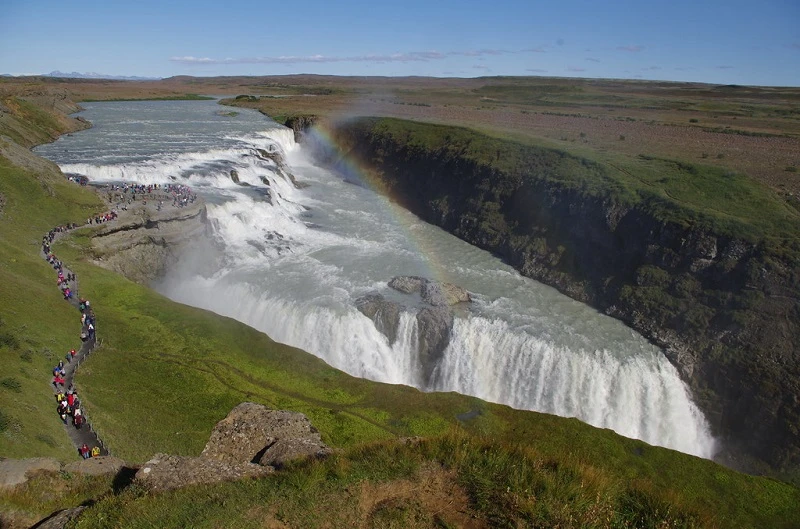
Iceland stands out as one of the world’s most sustainable travel destinations. The country runs almost entirely on renewable energy sources. Nearly 100% of its electricity and heating come from geothermal and hydropower.
You can explore dramatic landscapes while knowing your visit supports responsible tourism. The country actively preserves its unique environment shaped by volcanoes, glaciers, and geothermal activity.
Iceland’s nature is fragile, which is why the country takes sustainability seriously. Local communities promote low-impact travel practices and environmental protection. You’ll find eco-friendly infrastructure throughout the country that makes green travel easy.
When you visit, you can enjoy glacier hikes, hot springs, and stunning natural sites. The tourism industry focuses on helping you explore these landscapes with care. You don’t have to sacrifice adventure for sustainability here.
The country’s commitment to renewable energy and conservation makes it a top choice for eco-conscious travelers in 2026.
4) Slovenia

Slovenia earned recognition as the world’s first green country back in 2016. The nation takes sustainable tourism seriously, with over 60% of its land protected by environmental policies.
You’ll find a country smaller than New Jersey that offers Alpine mountains, coastal towns, and extensive cave systems. The government supports eco-friendly travel through the Green Scheme of Slovenian Tourism. This program gives quality certificates to destinations that meet sustainability standards.
The capital city Ljubljana provides an authentic alternative to crowded European hotspots. You can explore the country’s eco-resorts and green accommodations that follow strict environmental guidelines.
Slovenia connects easily to other parts of Europe, making it simple to add to your travel plans. The country built its commitment to sustainability into its culture and laws, not just as a marketing trend.
When you visit in 2026, you’ll experience a destination that balances nature protection with tourism. The small size means you can see diverse landscapes without long travel times between locations.
5) Bhutan

Bhutan operates on a “high value, low impact” tourism model that sets it apart from other destinations. The country limits visitor numbers and requires you to book through licensed operators, which helps protect its environment and culture.
You’ll pay a Sustainable Development Fee when you visit. This money goes directly toward preserving Bhutan’s landscapes and supporting local communities. The country is carbon-negative, meaning it absorbs more carbon than it produces.
Bhutan ranks among the top 10 biodiversity hotspots in the world. Its isolated location has kept ecosystems largely intact for centuries. You can explore pristine Himalayan landscapes while knowing your visit supports conservation efforts.
The country follows the Gross National Happiness philosophy, which prioritizes wellbeing over economic growth. This approach shapes everything from tourism policy to daily life. You’ll experience authentic Buddhist culture through ancient monasteries, traditional architecture, and local customs.
When you travel to Bhutan in 2026, you’ll need to work with a licensed tour operator to arrange your trip and visa. Small group sizes and limited departures keep tourism sustainable while giving you meaningful access to this unique destination.
6) Finland

Finland stands out as a leader in sustainable tourism for 2026. The country ranks first on the Sustainable Development Goals Index, thanks to its clean air, advanced wastewater treatment, and commitment to renewable energy. Over 90% of Finland’s energy comes from renewable sources.
When you visit, you can take the Sustainable Finland Pledge. This simple promise encourages you to travel with care for nature, people, and culture. You’ll commit to choosing eco-certified accommodations and supporting local businesses.
The Ruka-Kuusamo Region was among the first to earn Sustainable Travel Finland certification. Lapland offers responsible tourism with ethical wildlife experiences. The Åland Islands showcase sustainable island tourism through renewable energy and local products.
Lonely Planet recognized Finland as one of its Best in Travel 2026 destinations. You’ll find pristine landscapes, from northern lights in Lapland to coastal beauty in the south. The country combines cultural experiences with nature celebrations.
Finland gives you access to wilderness areas and thousands of lakes while maintaining strict environmental standards. You can explore this Nordic destination knowing your visit supports their commitment to protecting natural spaces.
7) Norway
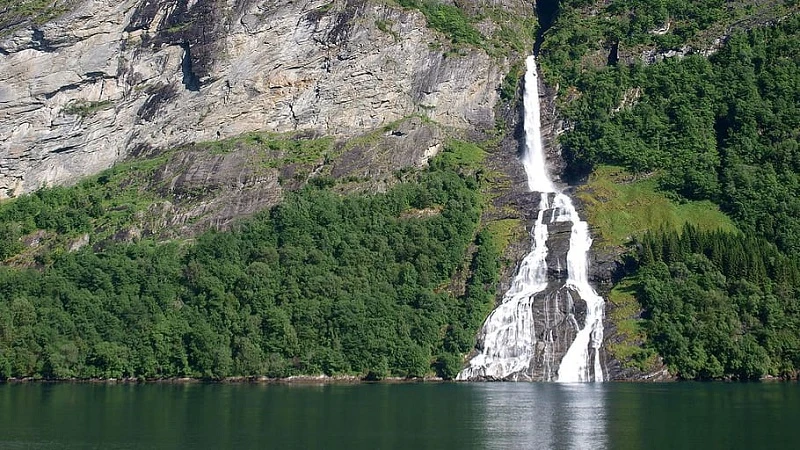
Norway stands out as a leader in sustainable travel for 2026. The country runs on 95% renewable energy and leads the world in electric vehicle adoption. These efforts show Norway’s commitment to protecting the environment.
When you visit Norway’s fjords, you’ll find strict zero-emission rules in place. This means the natural beauty stays preserved for future travelers.
The country has labeled about 50 destinations through its Sustainable Destination program, which helps reduce tourism’s negative impacts.
You can explore Norway through eco-friendly activities like scenic train rides and nature-based experiences. The Lofoten Islands are making significant progress toward sustainable tourism with renewable energy and reduced emissions.
Norway’s approach to sustainable travel includes hybrid ships and eco-luxury accommodations. You’ll also find local food options and responsible travel practices throughout the country.
The nation’s Right to Roam policy lets you explore nature responsibly while respecting the land.
If you’re looking for coolcations, slow travel, or wellness escapes in 2026, Norway offers all three with minimal environmental impact.
8) Canada’s Banff National Park
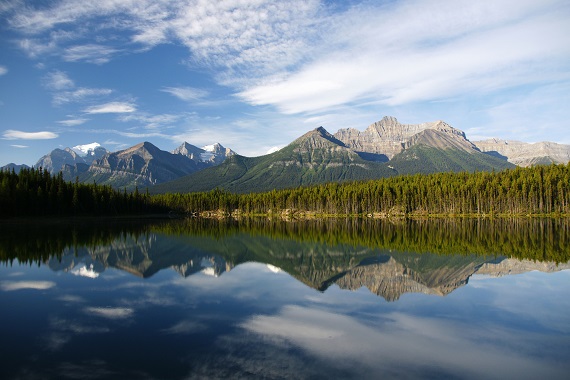
National Geographic readers named Banff and Lake Louise one of the best places to travel in 2026. This recognition highlights what makes this destination special for sustainable travelers.
Banff is Canada’s oldest national park. It sits in the Canadian Rockies and combines natural beauty with strong environmental protection. The park has spent decades balancing tourism with conservation efforts.
You can explore the park through its many hiking trails and protected lakes. Lake Louise and Moraine Lake are two popular spots that showcase the area’s mountain landscapes. The town of Banff itself blends visitor amenities with wilderness access.
The park operates year-round with different activities each season. Summer brings opportunities for hiking and wildlife viewing. Winter transforms the area into a destination for snow sports.
Banff’s approach to tourism focuses on preservation. Park staff manage visitor numbers and maintain trails to protect ecosystems. You’ll need to plan ahead and check current conditions before your visit.
The combination of natural spaces and environmental management makes Banff a solid choice for eco-conscious travelers in 2026.
9) Portugal’s Azores

The Azores archipelago sits in the North Atlantic Ocean as a group of nine volcanic islands. You’ll find this Portuguese territory has earned recognition as the world’s first archipelago certified by the EarthCheck Sustainable Destination program.
When you visit, you’ll experience a destination that takes environmental protection seriously. Local tour operators focus on eco-friendly practices that support conservation efforts while letting you explore the islands.
The landscape features volcanic terrain, green hills, and blue waters. You can go whale watching through responsible operators or hike trails that showcase the islands’ natural beauty. The tourism model here supports both the local economy and ecosystem protection.
You’ll find several eco-friendly accommodations across the islands. These lodges and hotels follow sustainable practices that reduce their environmental impact. The islands of São Miguel, Pico, and Faial offer particularly strong options for green travel.
The Azores provides a model for how tourism can work with nature instead of against it. You get to experience dramatic scenery and outdoor activities while knowing your visit supports conservation goals.
10) Kenya’s Maasai Mara

The Maasai Mara has become a leader in sustainable tourism in Kenya. You’ll find that 30% of lodges and camps in the region now hold Eco Tourism Kenya certification. This means they meet strict environmental standards.
Kenya’s government launched the 2026 Sustainable Tourism Strategy for the Maasai Mara. The new approach focuses on high-value, low-impact experiences instead of large tourist crowds. You can visit knowing your trip supports conservation efforts.
When you stay at certified eco-lodges, your money helps protect wildlife habitats. These properties use solar power, manage waste responsibly, and source food locally. Many also employ staff from nearby Maasai communities.
The reserve is famous for the Great Migration and the Big Five. You can see lions, elephants, leopards, buffalo, and rhinos during safari drives. The best part is that sustainable practices help ensure these animals will be here for future visitors.
Your visit directly supports local Maasai people through community tourism programs. Many lodges partner with nearby villages to provide fair wages and preserve traditional culture. This makes your safari both memorable and meaningful.
How to Choose Sustainable Travel Destinations

Picking the right destination requires looking at specific environmental practices and recognized standards. You need to know what makes a place truly sustainable versus one that just markets itself as green.
Key Criteria for Evaluating Sustainability
Start by checking if the destination protects its natural resources. Look for places that limit visitor numbers, maintain protected areas, and enforce strict environmental regulations.
Energy use matters significantly. Destinations that run on renewable energy sources like solar, wind, or hydroelectric power show real commitment to sustainability.
You should also check their waste management systems. Places with recycling programs, composting, and plans to reduce single-use plastics demonstrate environmental responsibility.
Water conservation is another critical factor. Good sustainable destinations implement water-saving measures and protect local water sources from pollution.
Consider how tourism money benefits local communities. Destinations that employ local residents, support local businesses, and preserve cultural heritage create positive impacts beyond environmental protection.
Transportation options within the destination matter too. Places with public transit, bike paths, and walkable areas reduce carbon emissions from your trip.
Recognizing Certified Sustainable Locations
Green certifications help you identify verified sustainable destinations quickly. The Global Sustainable Tourism Council (GSTC) sets international standards that many destinations follow.
Look for these key certifications:
- Green Destinations Certified – awarded to places meeting sustainability benchmarks
- EarthCheck Certified – recognizes destinations with strong environmental management
- Biosphere Responsible Tourism – marks locations committed to sustainable practices
Organizations like The Long Run verify eco-lodges and sustainable tourism businesses worldwide. Destinations with multiple certified hotels, tour operators, and attractions typically take sustainability seriously.
Carbon-negative nations and regions with regenerative tourism programs represent the highest level of environmental commitment. These places actively restore ecosystems while hosting visitors.
Tips for Responsible Tourism in 2026
Traveling responsibly means making choices that reduce harm to the environment and benefit the people who live in the places you visit. These practical steps help you travel in ways that protect natural resources and support local economies.
Minimizing Environmental Footprint While Traveling
Choose direct flights when possible because takeoffs and landings create the most emissions. If you can’t fly direct, consider trains or buses for shorter distances. Pack light to reduce fuel consumption on planes and other transport.
Stay in hotels or lodges with eco-certifications that prove they use renewable energy, reduce water waste, and limit single-use plastics. Bring a reusable water bottle, shopping bag, and utensils to avoid disposable items. Turn off lights and air conditioning when you leave your room.
Respect wildlife by keeping your distance and never feeding animals. This changes their natural behavior and can harm them. Stay on marked trails to protect plant life and prevent erosion.
Ways to reduce your carbon footprint:
- Walk, bike, or use public transport instead of taxis
- Book eco-certified accommodations
- Avoid activities that exploit animals
- Offset unavoidable emissions through verified carbon offset programs
Supporting Local Communities Ethically
Spend your money at locally owned restaurants, shops, and tour companies instead of international chains. This keeps money in the community and creates jobs for residents. Buy handmade crafts directly from artisans rather than from resorts or airports.
Ask permission before taking photos of people or their homes. Learn a few basic phrases in the local language to show respect. Dress appropriately based on local customs, especially at religious sites.
Choose tour guides from the local community who know the area and its history. Pay fair prices for services and don’t bargain so aggressively that workers can’t earn a living wage. Volunteer only with organizations that have long-term community relationships, not drop-in programs that disrupt local life.
Frequently Asked Questions
Costa Rica leads in biodiversity protection, Iceland powers tourism with renewable energy, and Bhutan measures success through Gross National Happiness rather than tourist numbers. These destinations prove that sustainable travel combines strong environmental policies, community benefits, and nature conservation.
What are the top destinations that prioritize eco-friendly tourism in 2026?
Costa Rica stands out as a leader in eco-friendly tourism. The country protects over 25% of its land as national parks and wildlife reserves. Most hotels and lodges use renewable energy sources.
New Zealand ranks high for its conservation efforts. The country maintains strict environmental standards for tourism operators. You can visit protected areas while supporting indigenous Māori communities.
Iceland uses geothermal and hydroelectric power for nearly all its energy needs. This makes your stay in hotels and guesthouses carbon-neutral. The country limits visitor numbers at popular natural sites to prevent damage.
Which cities have implemented the most effective sustainable travel policies this year?
Copenhagen in Denmark leads European cities with bike-friendly infrastructure. Over 60% of residents bike to work daily. The city aims to become carbon-neutral by 2025.
Reykjavik requires all tour operators to follow strict environmental guidelines. The city banned single-use plastics in public spaces. Public transportation runs entirely on renewable energy.
Ljubljana in Slovenia became Europe’s Green Capital. The city closed its historic center to cars. You can use free electric transportation to get around the downtown area.
Can you list the best nature-focused retreats that support environmental conservation?
The Pantanal region in Brazil offers ecolodges that protect wetland habitats. These lodges hire local guides and support wildlife research. You can see jaguars, capybaras, and hundreds of bird species.
Costa Rica’s Osa Peninsula has several certified sustainable lodges. They work directly with conservation organizations. Your stay helps fund sea turtle protection and rainforest restoration.
Bhutan requires tourists to book through licensed operators who follow sustainability rules. Lodges in Paro and Punakha valleys use traditional building methods. They source food from local organic farms.
What are the leading countries in sustainable travel infrastructure development?
Bhutan measures tourism success through Gross National Happiness metrics. The country requires a daily sustainable development fee from visitors. This money funds free healthcare and education for citizens.
Slovenia protects over one-third of its territory as conservation areas. The country developed green transportation networks connecting major sites. You can travel between attractions using electric buses and trains.
New Zealand created a Tiaki Promise that guides visitor behavior. The country invests heavily in conservation projects. Tourism operators must meet strict environmental standards to operate.
Which travel experiences offer the best balance between sustainability and cultural immersion?
Community-based tourism in Bhutan lets you stay with local families. You learn traditional crafts and farming methods. The government limits tourist numbers to preserve cultural authenticity.
Slovenia’s farm-stay programs connect you with rural communities. You participate in cheese-making, wine production, and traditional cooking. These programs provide income directly to farming families.
Māori tourism experiences in New Zealand teach you about indigenous culture. You support communities that have lived sustainably for centuries. Guides share traditional environmental knowledge during nature walks.
What are the award-winning sustainable lodging options for travelers in 2026?
Lapa Rios Lodge in Costa Rica earned GSTC certification for its conservation work. The lodge protects 1,000 acres of rainforest. It employs staff from nearby villages and sources ingredients locally.
ION Adventure Hotel in Iceland runs on 100% renewable energy. The hotel built its structure to minimize land disruption. You get views of the Northern Lights while maintaining a minimal carbon footprint.
PlanetaEXO properties across multiple countries belong to The Long Run network. These lodges meet strict sustainability standards. They commit to protecting local ecosystems and supporting community development.