
August airline trends are shifting fast as carriers trim schedules and tune prices for late summer. Fewer flights, pockets of higher fares, and limited weather impacts are shaping how travelers book this month.
If you plan to fly soon, you can still save. You just need a clear plan, flexible dates, and a quick read on how airlines are managing demand.
In this guide, we break down the data, the why behind it, and the best moves you can make right now.
Why August airline trends matter now
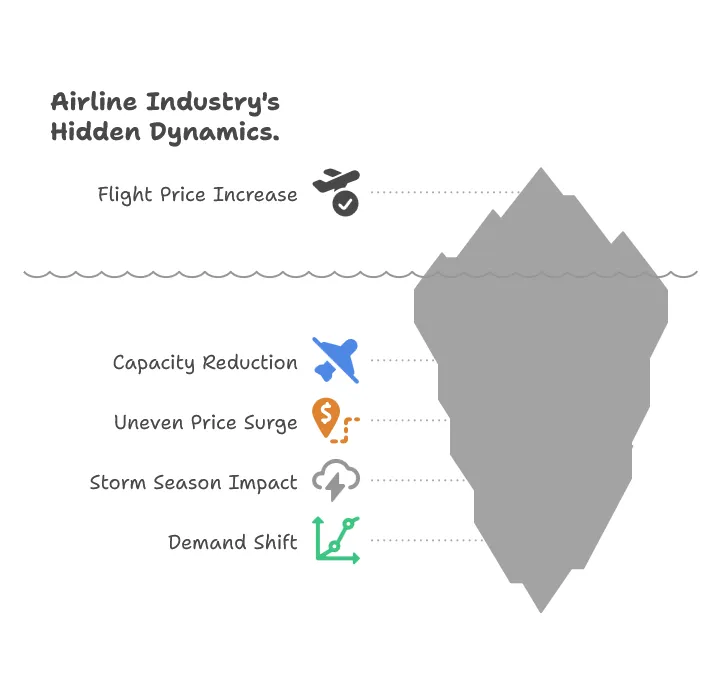
- Capacity is tighter. Airlines often pull back flights after peak summer. This boosts load factors and helps protect yields.
- Prices can rise unevenly. Popular routes and last-minute bookings feel the squeeze first.
- Storm season is here. Weather systems grab headlines, but not every storm disrupts major hubs.
- Demand is changing. Leisure remains strong, but some domestic markets are soft, which nudges airlines to test prices and schedules.
- Fewer flights, shifting fares: what’s happening Airlines trimmed some domestic capacity in August. This is common after July peaks, but the cuts can feel sharp on specific city pairs. When there are fewer seats, late shoppers face higher prices, especially on Friday and Sunday departures.
Still, August airline trends do not mean prices are up everywhere. Instead, fares are more uneven:
- Core leisure routes may see price bumps near weekends.
- Midweek and early morning flights often stay cheaper.
- Secondary airports can offer relief where main hubs run hot.
If you watch fare patterns, you’ll see short windows of deals as airlines balance loads. Sales can pop up midweek for travel one to three weeks out. The trick is to act fast, since fewer flights mean fewer discounted seats.
- Minimal impacts from Hurricane Erin: Hurricane Erin raised concerns, but the overall impact on US air travel has been limited. Most large hubs remained stable, with only scattered delays and cancellations. The key takeaway for August airline trends is that weather risk exists, but it is not causing broad disruptions.
If you have connections in the Southeast or Caribbean, take these steps:
- Build buffer time into connections. Aim for 90 minutes or more when possible.
- Choose earlier flights. Morning departures recover faster from rolling delays.
- Track your trip with airline apps. Enable push alerts and auto-rebooking options.
- Consider travel insurance with delay benefits. It can cover hotels and meals if things slip.
- Mixed performance among major carriers: Delta, United, and American are reporting strong premium demand and steady international interest. At the same time, some domestic fares remain soft. This mix leads to two moves you’ll notice:
- Targeted fare sales for shoulder-season seats. Think midweek flights after Labor Day and routes where business traffic has not fully rebounded.
- Tighter capacity on underperforming routes. Fewer frequencies reduce empty seats, which supports pricing.
This is why August airline trends can feel contradictory. You might see pricey last-minute tickets on one route and a flash sale on a nearby city pair.
It is less about the month as a whole and more about micro-markets. The best strategy is to map alternatives and stay flexible.
How to book smarter right now
Use these practical steps to counter fewer flights and choppy pricing.
- Be flexible by a day or two: Shifting your departure or return by 24 to 48 hours can cut your fare by 15 to 35 percent. Midweek is your friend.
- Compare nearby airports: Check secondary airports within 60 to 120 miles. Often you’ll find lower fares and less congestion.
- Mix airlines and one-way tickets: You can build a cheaper round trip by pairing different carriers each way.
- Use price alerts: Set alerts seven to ten days before your ideal date. React quickly when prices dip.
- Lock fares with 24-hour holds: Many airlines let you hold or cancel within 24 hours. Use this to pounce without risk.
- Aim for first departures: The first flight of the day is the least likely to cascade into delays.
- Avoid tight connections: Book longer layovers when weather is a factor. It reduces misconnects and stress.
Upgrade and seat strategy during tight capacity
When flights are full, seat selection and upgrades need a plan:
- Check in right at the window: New seat inventory can appear when schedules finalize. Set a reminder for the exact check-in time.
- Watch for last-minute paid upgrades: Gate agents sometimes release discounted premium seats within two hours of departure.
- Use credit card perks: Even priority boarding can help you snag overhead space and reduce the risk of gate-check delays.
Baggage and fees: save where you can
August airline trends include more price testing on extras. Keep fees in check:
- Pack in a carry-on that fits smaller bins; some aircraft in reduced schedules are regional jets.
- Prepay for bags online; it is often cheaper than at the counter.
- Use a co-branded card on the airline you fly most; free checked bags can offset higher fares over time.
Weather playbook for late August
Even with minimal impacts from Hurricane Erin, it pays to prep for storm season.
- Choose nonstop flights when possible. Fewer legs mean fewer failure points.
- Route through sturdier hubs for summer weather. For example, a northern connection can reduce tropical storm risk.
- Track weather 3 to 5 days out. If a system forms, move to earlier flights before waivers tighten.
- Know your airline’s waiver policy. If a waiver is issued, rebook early for the best options.
Shoulder season outlook
After Labor Day, August airline trends often roll into September with a brief price dip on many domestic routes. Business travel ramps slowly, and leisure traffic spreads out. Here is what to expect:
- More flash sales for travel two to six weeks out.
- Better availability on Tuesdays and Wednesdays, especially early flights.
- International deals to Europe shoulder season, with competitive fares in late September and October.
Common pitfalls to avoid
- Waiting until the weekend to book: Prices often pop on Fridays.
- Booking the last flight of the day: Delays stack, and cancellations hit hardest at night.
- Ignoring baggage rules on smaller aircraft: Oversize carry-ons can force gate checks and delay you at arrival
FAQ: quick hits on August airline trends
Are fares up across the board?
No. They are uneven. Late bookings on popular routes are up, but midweek deals still exist.
Is weather a big problem now?
Not broadly. Erin has had limited impact, but you should still plan buffers.
Which airlines are cheapest?
It depends on your city pair. Check legacy carriers, low-cost carriers, and nearby airports.
Should I wait for Labor Day sales?
Some deals drop, but inventory can be thin. Set alerts and move fast.
The bottom line
August airline trends favor travelers who plan, price-check, and stay flexible. Capacity is tighter in spots, but you still have control.
Watch midweek windows, compare nearby airports, and lock in fares when they dip. With a solid plan and a little timing, you can beat the bumps and fly for less this month.