
Most people picture white or golden sand when they think of beaches, but some of the world’s most striking coastlines are covered in dark, volcanic sand. Black sand beaches around the world form when volcanic lava breaks down over time into fine particles, creating dramatic shorelines that contrast beautifully with blue ocean waters.
These unique beaches exist around the globe, from Hawaii and Iceland to Indonesia and the Canary Islands.
Black sand beaches offer more than just unusual scenery. Many are home to rare wildlife like sea turtles and seals. Some have unique properties that make the sand warmer than typical beaches.
Others provide world-class surfing or sit near stunning natural landmarks like glaciers and active volcanoes.
You can find these volcanic wonders in both warm tropical climates and cold coastal regions. Whether you want to relax on a quiet beach or explore dramatic landscapes, black sand beaches give you a different kind of beach experience worth adding to your travel list.
Key Takeaways
- Black sand beaches form from volcanic lava that breaks down into dark particles over thousands of years
- These beaches exist worldwide in places like Hawaii, Iceland, Greece, New Zealand, and Indonesia
- Many black sand beaches offer unique experiences like wildlife viewing, surfing, and dramatic volcanic scenery
What Makes Black Sand Beaches Unique?
Black sand beaches stand out from typical beaches because of their volcanic origins, unusual physical properties, and limited locations around the world.
These dark shores form through specific geological processes that create sand with different characteristics than the white or tan beaches you’re used to seeing.
Origin and Formation of Black Sand
Black sand forms primarily through volcanic activity. When lava flows into the ocean, the extreme temperature difference causes the molten rock to shatter into tiny fragments.
This process creates sand made of basalt, volcanic glass, and other dark minerals. The rapid cooling doesn’t allow crystals to form fully, resulting in the characteristic black color.
Some black sand beaches form differently through erosion and weathering. Ocean waves continuously break down volcanic rocks along coastlines, grinding them into progressively smaller particles over thousands of years. Rivers and streams also carry volcanic sediment from inland volcanic formations to the coast.
A third formation method involves heavy-mineral placers. Waves and currents wash away lighter minerals like quartz and feldspar, leaving behind denser, darker minerals.
This natural sorting process concentrates minerals like magnetite, garnet, and andesite in specific areas, creating patches or entire beaches of black sand.
Distinct Physical and Chemical Properties
Black sand absorbs significantly more heat than light-colored sand. You’ll find these beaches uncomfortably hot to walk on barefoot during sunny days because the dark minerals soak up solar radiation.
The sand can reach temperatures 30-40 degrees higher than white sand beaches.
Magnetite-rich black sand often displays weak magnetic properties. You can sometimes see this by running a magnet through the sand and watching dark particles cling to it.
The high iron content in minerals like magnetite and basalt gives black sand its distinctive dark color and increased density.
The sand particles tend to be heavier and coarser than typical beach sand. This higher density means black sand resists being washed away by waves and currents, though it still shifts and changes with tides and storms.
Rarity and Global Distribution
Black sand beaches represent only a small fraction of the world’s coastlines. You’ll find them almost exclusively in regions with volcanic activity, either current or historical.
The largest concentrations exist in Iceland, Hawaii, New Zealand, the Canary Islands, and parts of the Caribbean.
Iceland’s volcanic zones along the Mid-Atlantic Ridge create numerous black sand beaches. Hawaii’s active volcanoes on the Big Island continue forming new black sand as fresh lava enters the ocean.
Countries in the Pacific Ring of Fire, including Indonesia, the Philippines, and parts of Central America, also host black sand shores.
These beaches remain rare because they require specific geological conditions. The volcanic source material must be present, and erosion processes must break it down into sand-sized particles. Many volcanic coastlines feature rocky shores or large boulders rather than fine black sand.
Famous Black Sand Beaches in Hawaii
Hawaii holds the highest concentration of black sand beaches outside Iceland, with most located on the Big Island where active volcanoes continue shaping the coastline. Punaluʻu offers protected wildlife viewing, while Kehena preserves local cultural traditions.
Punaluʻu Black Sand Beach and Its Wildlife
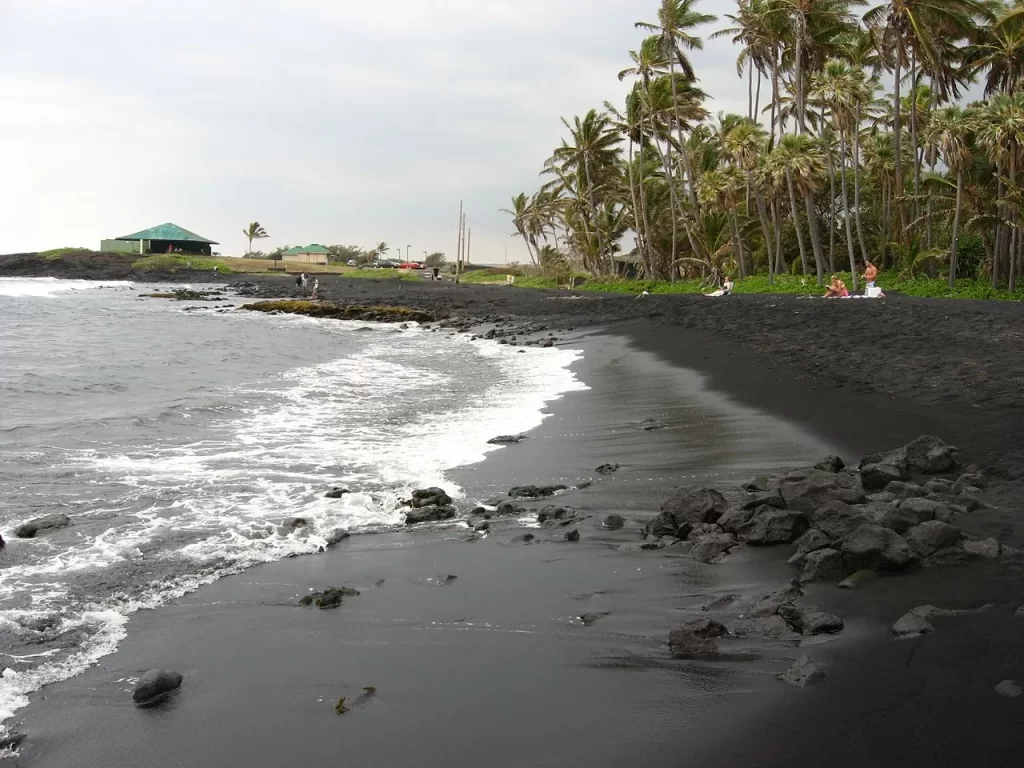
Punaluʻu Black Sand Beach sits on the Big Island’s southeastern Kaʻū coast. The beach formed when lava from Mauna Loa or Kīlauea volcanoes flowed into the Pacific Ocean, rapidly cooled, and shattered into coarse basalt fragments that create the jet-black sand.
You can often spot endangered Hawaiian Green Sea Turtles (Honu) and rare Hawksbill Turtles basking on the warm black sand at Punaluʻu.
This beach serves as a vital habitat for these protected species. You must maintain at least 10 feet of distance from any turtle and never touch or feed them, as doing so is illegal under federal law.
Freshwater springs bubble up from the ocean floor at Punaluʻu, mixing cool fresh water with warm coastal waters. Swimming can be hazardous due to strong currents, rocky shoreline, and sudden cold spots from these springs.
The black sand absorbs heat quickly and becomes extremely hot, so you should wear footwear. You cannot legally remove sand, rocks, or any natural materials from the beach.
Kehena Beach: Volcanic Origins and Local Customs
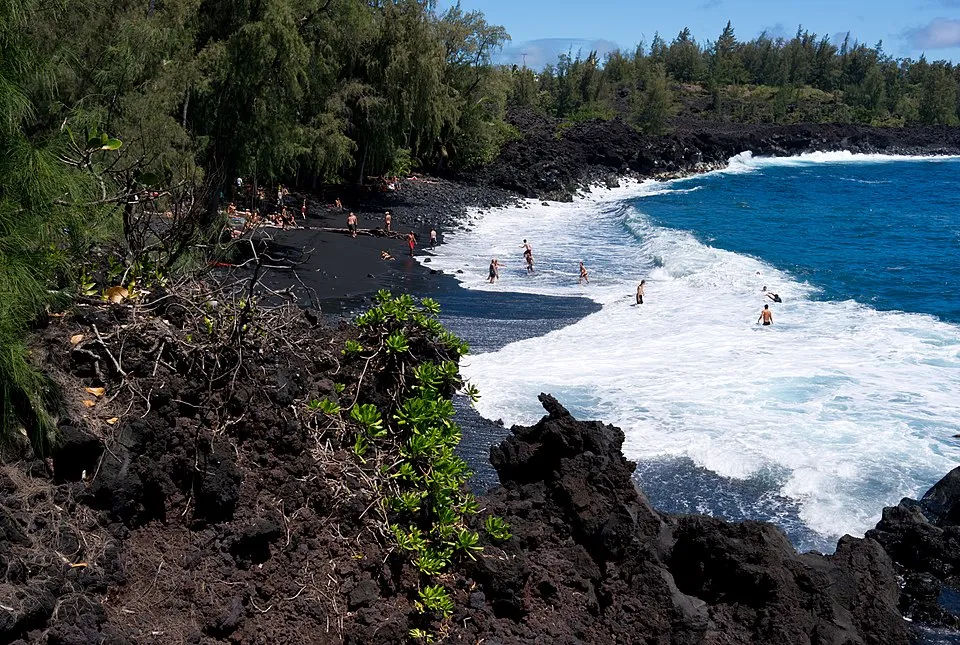
Kehena Beach formed in 1955 when lava flows from Kīlauea created new coastline along the Big Island’s Puna district. The beach expanded in 1975 after an earthquake dropped the land several feet, creating the current black sand shoreline you see today.
This clothing-optional beach holds cultural significance for local residents who gather for Sunday drum circles and traditional celebrations.
You should respect these customs and the community’s values when visiting. The beach requires a short but steep hike down a rocky path with no facilities or lifeguards.
Powerful surf and strong currents make swimming dangerous at Kehena, especially during high tide or rough seas. You need to watch for sudden drop-offs near shore. Dolphins frequently swim close to the beach, particularly in early morning hours.
Iceland’s Dramatic Black Sand Shores
Iceland’s volcanic landscape creates some of the world’s most striking black sand beaches, formed when molten lava meets the cold Atlantic Ocean and shatters into fine dark particles. The southern coast hosts the most accessible and dramatic beaches, where basalt columns, sea stacks, and glacial ice create otherworldly scenery.
Reynisfjara and Reynisdrangar
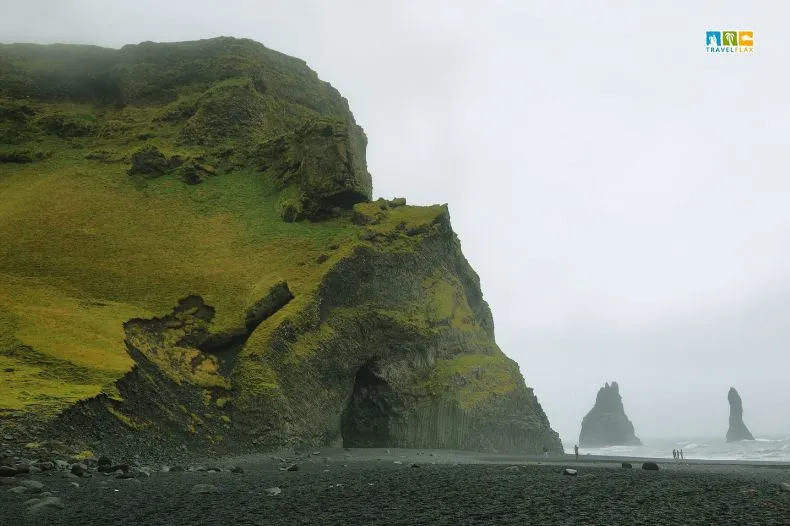
Reynisfjara Beach near the village of Vik ranks as Iceland’s most famous black sand beach. The beach stretches along the southern coast about 180 kilometers from Reykjavik, roughly a two-and-a-half-hour drive.
The main attractions include towering basalt columns that form a natural geometric pattern along the cliff face. These hexagonal rock formations rise like organ pipes from the beach.
Just offshore, the Reynisdrangar sea stacks jut dramatically from the ocean. According to Icelandic folklore, these rock pillars are trolls turned to stone by the sunrise.
The nearby Dyrhólaey peninsula features a massive rock arch and a lighthouse that offers panoramic views of the coastline. You can see the black sand beach extending in both directions and Reynisfjall mountain rising behind the shore.
Important safety note: Reynisfjara is one of the world’s most dangerous beaches. Sneaker waves can appear without warning and have pulled visitors into the frigid ocean. Always maintain a safe distance from the water and never turn your back on the waves.
Diamond Beach and Jökulsárlón Glacier Lagoon
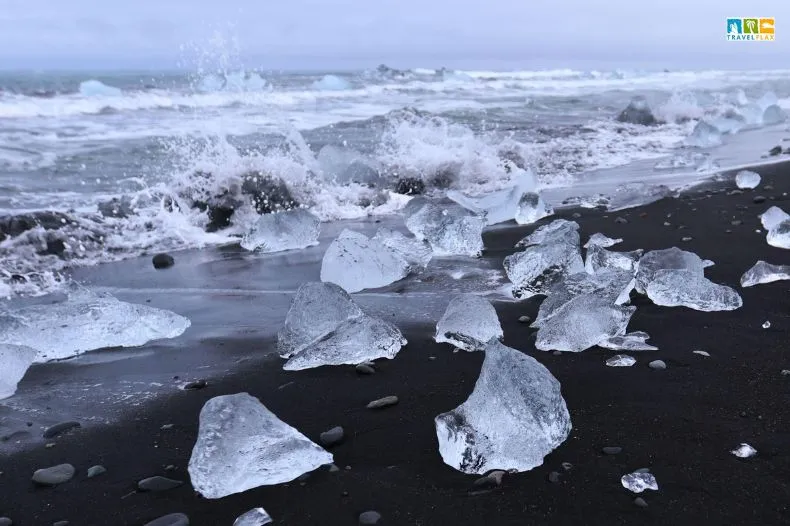
Diamond Beach sits directly across the Ring Road from Jökulsárlón Glacier Lagoon. Ice chunks that break off from the Breiðamerkurjökull glacier float through the lagoon and eventually wash ashore on the black sand beach.
The ice fragments scattered across the dark sand create a striking contrast. These translucent pieces range from small chunks to blocks the size of cars.
The ice catches and refracts light, creating a sparkling effect against the black volcanic sand that gives the beach its name.
The best time to visit is early morning or late evening when the low sun illuminates the ice. The beach looks different every day as new ice washes ashore and existing pieces melt or return to sea.
You can walk among the ice formations, but be cautious of waves that can surge unexpectedly around the larger pieces.
Stokksnes and Vestrahorn Landscapes
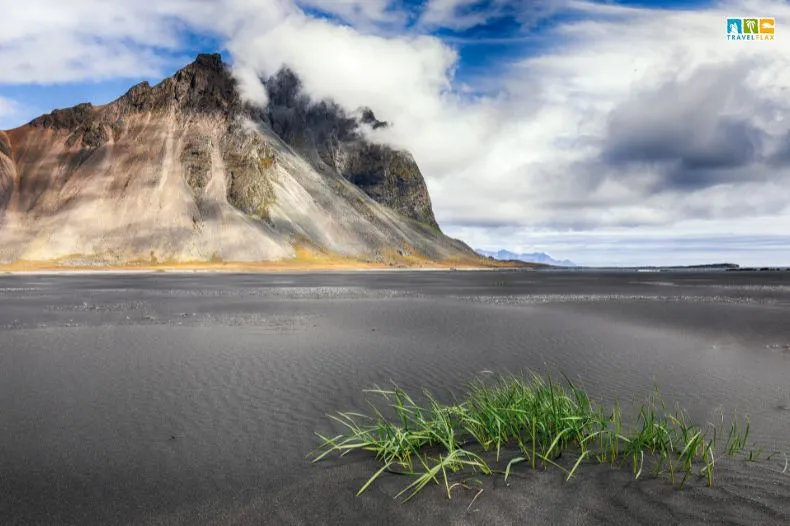
Stokksnes Beach on Iceland’s southeastern coast offers views of Vestrahorn mountain, a 454-meter peak with distinctive sharp ridges. The black sand beach extends along a lagoon separated from the ocean by a narrow strip of land.
The location is about 8 kilometers from the main Ring Road. You’ll need to pay a small access fee at a private gate. The beach provides multiple vantage points for photographing Vestrahorn’s dramatic peaks reflected in tidal pools and shallow water.
A reconstructed Viking village near the parking area adds cultural interest to the natural scenery. The combination of black sand, mountain backdrop, and minimal crowds makes Stokksnes less visited than Reynisfjara but equally photogenic.
The area works well for longer stays as the changing light throughout the day creates different moods and compositions.
Black Sand Beaches in Europe
Europe’s volcanic islands offer some of the world’s most striking black sand beaches, formed from ancient lava flows and basalt rock.
From Greece’s sun-soaked Aegean shores to Italy’s geothermal islands and Spain’s Atlantic coastline, these dark-sand destinations provide dramatic alternatives to typical Mediterranean beaches.
Santorini’s Perissa, Kamari, and Perivolos Beaches
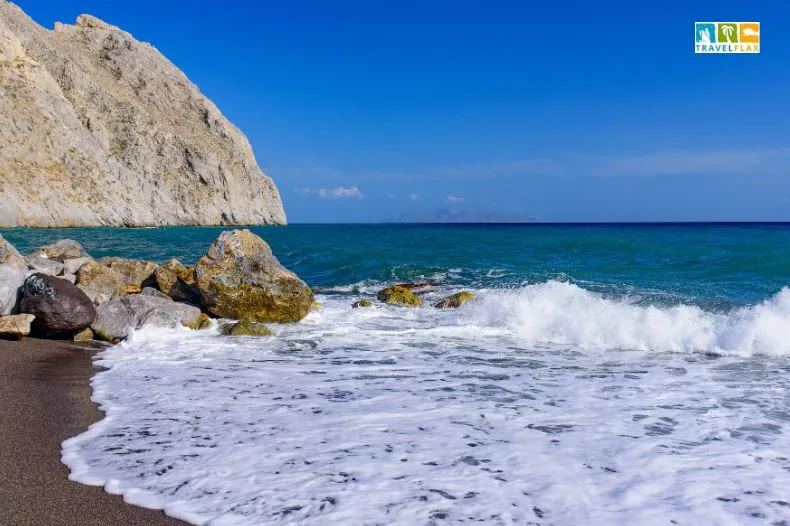
You’ll find three main black sand beaches along Santorini’s southeastern coast, each formed from the island’s volcanic history. Kamari Beach stretches for about 5 kilometers and has earned Blue Flag status for its cleanliness and facilities.
The beach features jet-black sand lined with tavernas, cafes, and shops, making it ideal for families who want both natural beauty and modern conveniences.
Perissa Beach sits just south of Kamari, separated by the Mesa Vouno mountain. This beach offers similar volcanic sand with a more relaxed atmosphere. The dark sand here gets quite hot during summer months, so you’ll need sandals or flip-flops when walking to the water.
Perivolos Beach extends from Perissa and is known for its beach clubs and water sports. All three beaches share the same volcanic origins but offer different experiences.
The black sand absorbs heat from the sun, creating warmer temperatures than white sand beaches. You can reach these beaches by boat when sailing around Santorini’s caldera.
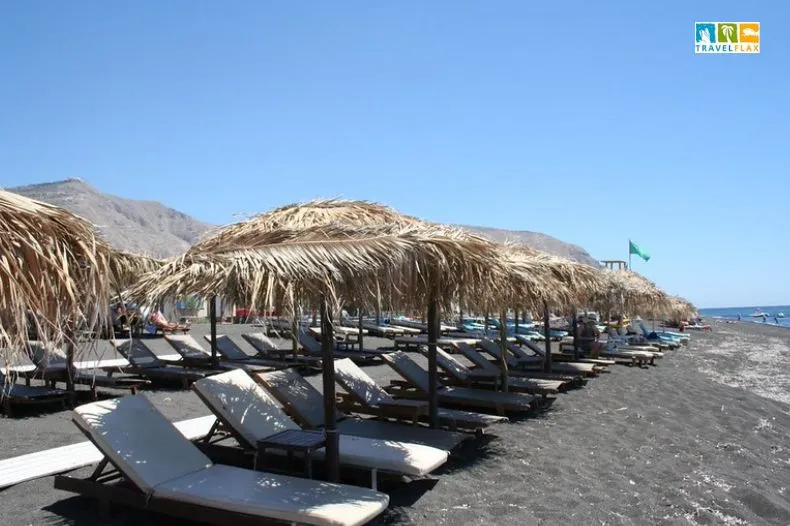
Ficogrande and the Aeolian Islands in Italy
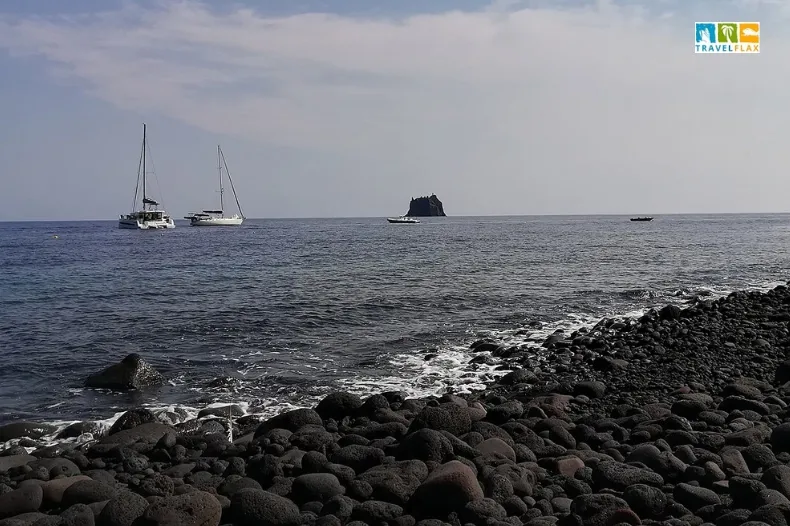
Ficogrande on Stromboli Island features a distinctive black pebble beach created by the island’s active volcano.
The beach sits in the shadow of one of Europe’s most consistently active volcanoes, which you can see erupting regularly at night. The volcanic stones range from fine sand to larger pebbles, all formed from cooled lava flows.
The Aeolian Islands archipelago off Sicily’s northern coast includes seven main islands, many with black sand beaches. Vulcano Island offers Spiaggia Sabbia Nera at Porto di Ponente, which combines soft black sand with nearby therapeutic mud baths. The calm, clear waters make it suitable for swimming and snorkeling.
Lipari, the largest island, has several volcanic beaches mixed with pumice deposits. You can charter a boat from Sicily’s Furnari marina to explore these islands, anchoring at different beaches throughout your trip.
The waters around the Aeolian Islands remain calm during summer, providing good conditions for sailing between islands.
Tenerife’s Playa Jardín, El Bollullo, and Playa de Benijo
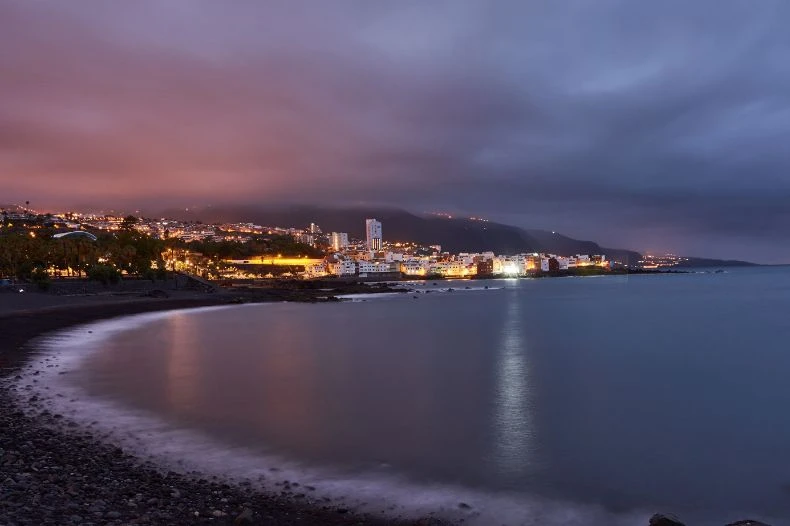
The Canary Islands’ volcanic landscape creates several dramatic black sand beaches, with Tenerife hosting some of the best. Playa Jardín in Puerto de la Cruz was designed by artist César Manrique and features three connected beaches with black sand framed by tropical gardens.
The beach offers full facilities including restaurants, showers, and lifeguards, with views of Mount Teide in the distance.
El Bollullo Beach remains one of Tenerife’s most natural and unspoiled black sand beaches. You won’t find any cafes or commercial facilities here.
Strong Atlantic waves make it popular with surfers, though swimming requires caution. You can access the beach via a dirt track from the main road or by boat, anchoring offshore and using a tender.
Playa de Benijo sits on Tenerife’s remote northern coast within the Anaga Rural Park. This wild beach features dramatic rock formations rising from the black sand, including the distinctive Roques de Anaga sea stacks.
The beach has strong currents and waves, making it better suited for viewing than swimming. The volcanic sand here mixes with darker stones, creating a rugged coastal landscape backed by steep green mountains.
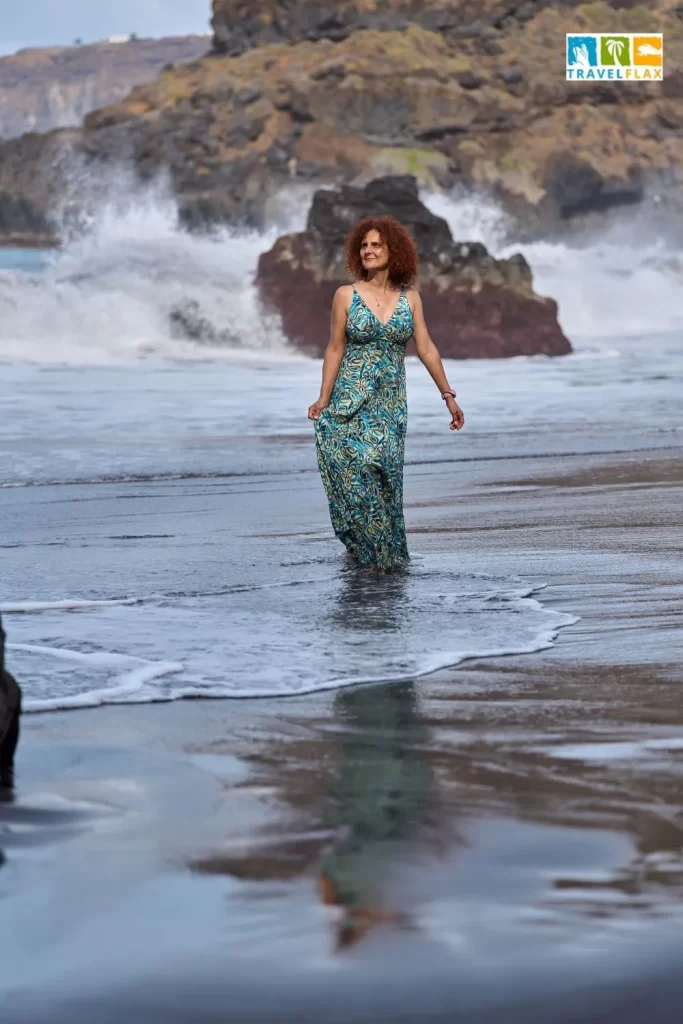
Black Sand Beaches of the Pacific and Asia
The Pacific and Asian regions feature some of the world’s most distinctive black sand beaches, formed by volcanic activity over thousands of years.
From Japan’s pine-lined shores with views of Mount Fuji to Bali’s dolphin-filled waters, these beaches offer unique landscapes shaped by lava and ocean forces.
Miho no Matsubara and Miho Beach, Japan
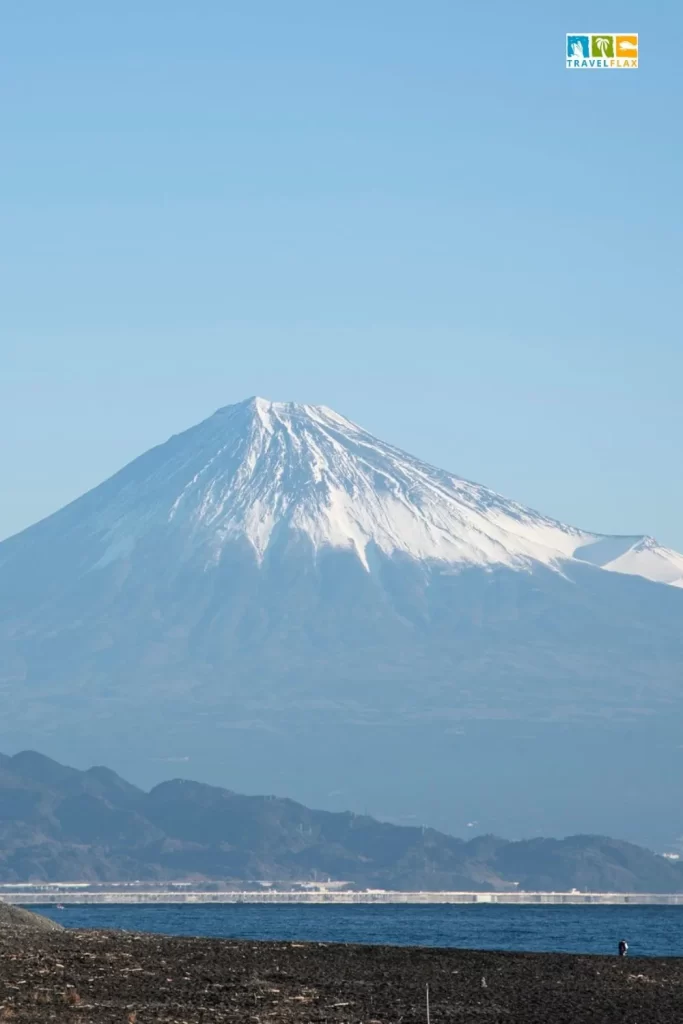
Miho Beach sits along the Miho Peninsula, framed by the famous Miho no Matsubara pine grove. This UNESCO World Heritage Site features thousands of pine trees lining the black volcanic sand shore.
You can enjoy spectacular views of Mount Fuji rising in the distance. The contrast between the dark sand, green pines, and Japan’s iconic mountain creates scenery that inspired traditional woodblock prints by artist Utagawa Hiroshige.
The peninsula becomes particularly popular during summer months. You’ll find opportunities for kayaking, windsurfing, diving, and fishing in the surrounding waters.
The beach combines natural beauty with cultural significance, making it a destination that offers both relaxation and historical appreciation.
Tahiti’s Papenoo and Taharuu Beaches
Papenoo Beach on Tahiti’s northern coast attracts surfers from around the world with its powerful waves. This remote black sand beach forms part of French Polynesia’s volcanic coastline. You’ll encounter fewer crowds if you visit during weekdays.
The nearby Papenoo Valley offers hiking and four-wheel-drive tours through lush green mountains. You can explore three major waterfalls in the area: Topatari, Puraha, and Vaiharuru falls. These waterfalls add to the dramatic natural setting surrounding the beach.
Taharuu Beach, located on the southern coast, provides another black sand option with strong surf conditions. Both beaches showcase the raw power of the Pacific Ocean meeting volcanic shores.
Lovina Beach, Bali
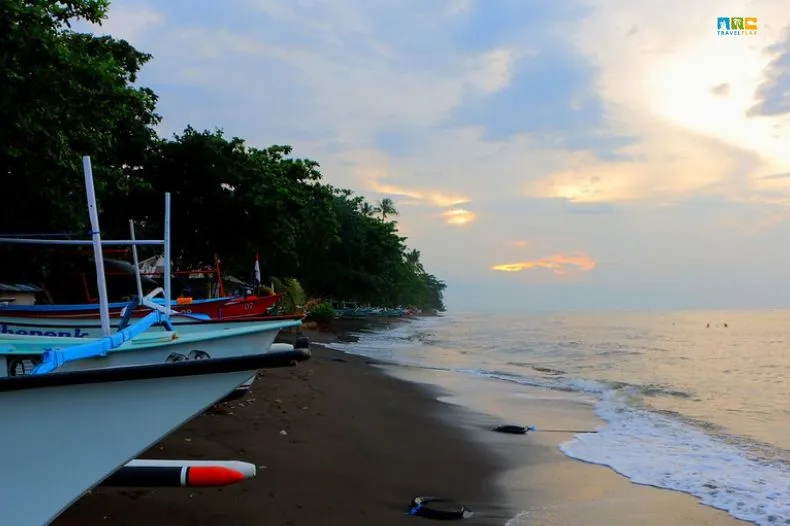
Lovina Beach stretches along Bali’s north coast near Singaraja. The black and gray volcanic sand creates a more peaceful atmosphere than Bali’s southern tourist areas.
Your main attraction here is dolphin watching. Bottle-nosed dolphins frequently appear in the coastal waters, especially during early morning hours. You can book boat trips from Kalibukbuk, one of the main villages along Lovina Beach.
The Kalibukbuk Buddhist temple sits directly on the beach, offering a unique cultural element. Snorkeling and diving are popular activities due to the rich marine life in the area.
The calm waters and laid-back environment make Lovina Beach ideal if you want to experience Bali’s quieter side.
Lesser-Known Black Sand Destinations
Beyond the famous volcanic shores of Iceland and Hawaii, you’ll find equally striking black sand beaches in unexpected corners of the globe. These hidden gems offer the same dramatic beauty with fewer crowds and unique geological features.
Ureki Beach, Georgia and the Magnetic Sands
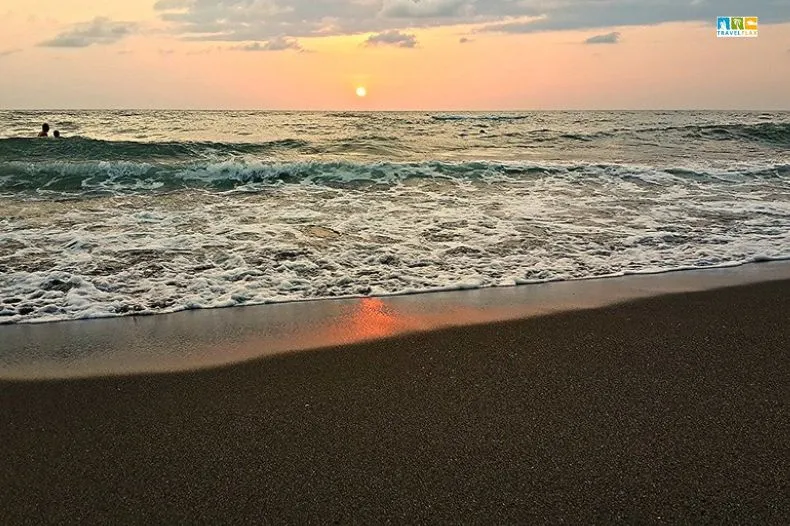
Ureki Beach sits along Georgia’s Black Sea coast and stands out for its unusual magnetic sand composition. The beach contains high concentrations of magnetite, a naturally magnetic iron oxide mineral that gives the sand its deep black color and therapeutic properties.
Local visitors have used these magnetic sands for health treatments for decades. The magnetite content can actually attract small metal objects, creating a fascinating natural phenomenon you can observe right on the beach.
You’ll find the beach stretching for several miles along the coastline near the town of Ureki. The area remains relatively undeveloped compared to other beach destinations, offering a more authentic experience of Georgia’s coastal region.
Costa Rica’s Playa Negra and Beyond
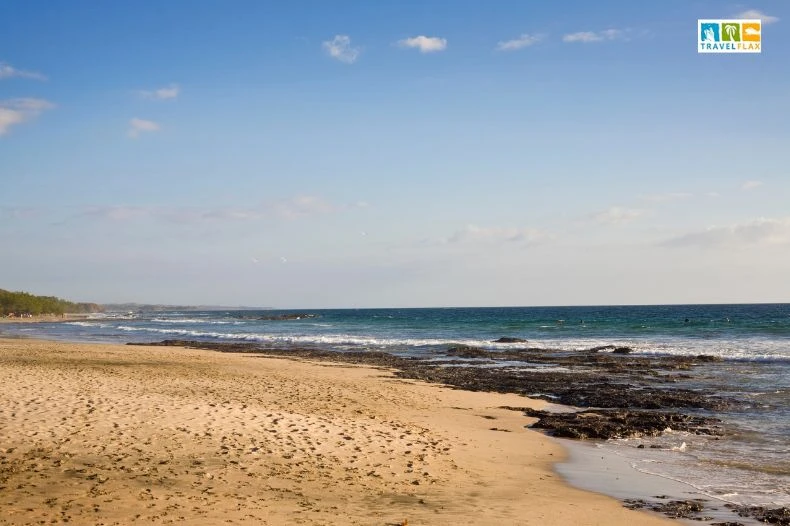
Costa Rica hosts several black sand beaches along its Pacific coast, with Playa Negra being among the most accessible. This beach near the town of Cahuita formed from volcanic activity and erosion over thousands of years.
The warm Caribbean waters contrast beautifully with the dark volcanic sand. You can spot sea turtles nesting along certain stretches during the right season.
Playa Negra attracts surfers looking for consistent waves without the crowds of more popular surf spots. The beach also connects to protected rainforest areas, giving you the chance to explore diverse ecosystems in a single visit.
California’s Lost Coast and Black Sands Beach
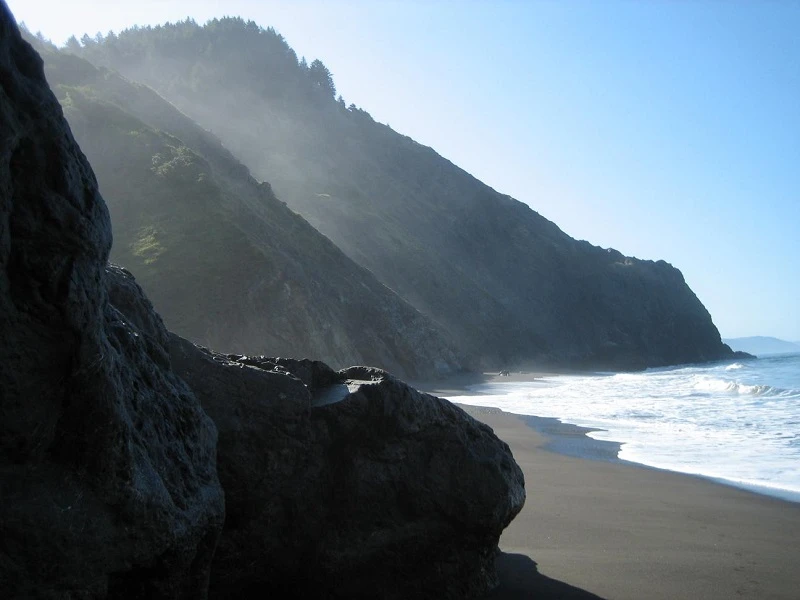
Black Sands Beach marks the southern end of California’s remote Lost Coast region. You’ll reach this beach via a steep trail that descends through coastal forest to the shoreline below.
The black sand here comes from eroded rock formations rather than volcanic activity. The beach sits nestled between towering cliffs and crashing Pacific waves, creating a dramatic coastal landscape.
This area receives significantly fewer visitors than California’s famous beaches due to its isolated location. You’ll need to plan carefully, as the nearest towns with services are miles away and the weather can change quickly along this rugged coastline.
Rosalie Bay Beach in Dominica
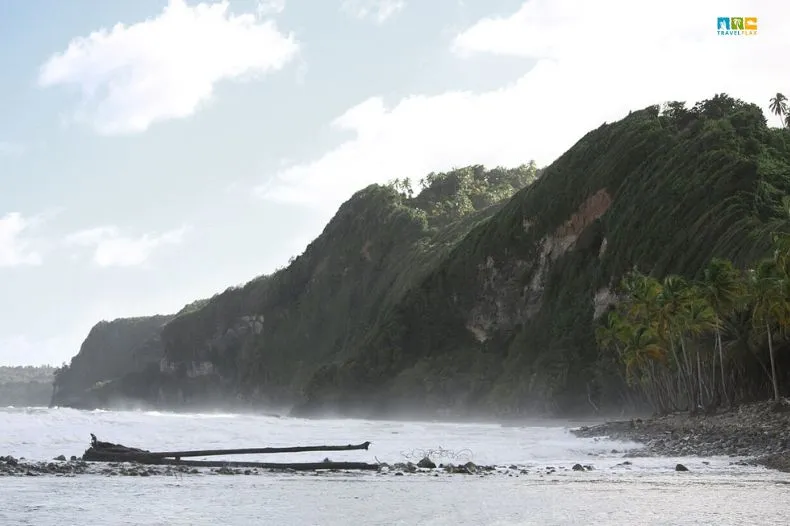
Rosalie Bay Beach occupies a protected stretch of Dominica’s eastern coastline. The beach’s black sand originated from the island’s volcanic mountains and provides critical nesting habitat for endangered leatherback turtles.
You can witness these massive sea turtles coming ashore to nest between March and July. The beach remains largely undeveloped, with conservation efforts taking priority over tourism infrastructure.
Strong Atlantic currents make swimming challenging at Rosalie Bay Beach, but the dramatic scenery and wildlife viewing opportunities make it worth the visit.
The nearby Rosalie River flows directly onto the beach, creating a freshwater swimming option when ocean conditions are rough.
Experiencing Black Sand Beaches: Tips and Things to Do
Black sand beaches require different preparations than typical beach destinations. The volcanic sand gets hotter than regular beach sand, and many of these locations have unique hazards and conditions you need to know before visiting.
Safety Precautions: Sneaker Waves and Hazards
Sneaker waves pose one of the most serious dangers at black sand beaches. These unexpectedly large waves can appear without warning and pull people into the ocean. They happen most often at beaches with steep drop-offs and strong currents.
Never turn your back on the ocean, and stay well above the high-tide line. Many black sand beaches have rough surf conditions that make swimming dangerous or impossible.
The dark sand absorbs more heat than light-colored sand. You need sandals or water shoes to protect your feet from burns, especially during summer months. Some beaches report sand temperatures that can cause actual burns within seconds of contact.
Watch for strong rip currents common at volcanic beaches. Stay within designated swimming areas when they exist, and check local conditions before entering the water.
Popular Activities and Local Highlights
Surfing ranks among the top activities at many black sand destinations. Beaches like Kehena in Hawaii and Keramas in Bali offer quality waves for various skill levels. The dark sand creates stunning backdrops for surf sessions.
Wildlife viewing opportunities abound at these unique beaches. You might spot endangered Hawaiian green sea turtles at Punaluʻu Beach or spinner dolphins at Kehena Beach. Seals frequent Diamond Beach in Iceland near the ice chunks.
Dramatic basalt columns frame several black sand locations. These natural rock formations create extraordinary scenery for beach walks and exploration. The volcanic cliffs surrounding many of these beaches add to their distinctive character.
Photography and Exploration
Black sand creates intense visual contrast against blue water and white waves. Early morning and late afternoon light produces the best results for photography. The dark surface reflects less light, so you may need to adjust your camera settings.
Ice chunks scattered across Diamond Beach in Iceland create diamond-like reflections. Basalt columns and rock formations provide natural framing elements for your shots.
Bring extra memory cards because these locations offer endless photo opportunities. The combination of volcanic features, unique sand colors, and coastal landscapes makes these beaches incredibly photogenic compared to standard beach destinations.
Frequently Asked Questions
Black sand beaches raise many questions about their formation, safety, and preservation. Understanding these details helps you plan a better visit and appreciate these volcanic wonders.
What are the unique characteristics of black sand beaches?
Black sand beaches have dark-colored sand that ranges from deep charcoal to jet black. The sand often feels coarser and heavier than regular beach sand because of its mineral composition.
These beaches typically get much hotter under the sun than white sand beaches. You’ll want to bring sandals or water shoes to protect your feet from the intense heat.
The surrounding landscape often includes dramatic features like basalt columns, sea stacks, and steep cliffs. Many black sand beaches have rougher waves and stronger currents compared to traditional beaches.
Which volcanic materials contribute to the formation of black sand beaches?
Lava is the primary material that creates black sand beaches. When hot lava flows into the ocean, it cools rapidly and shatters into tiny fragments that eventually become sand.
Basalt is the most common volcanic rock that forms black sand. This dark volcanic rock breaks down over time through erosion from waves and weather.
Other volcanic minerals like obsidian and magnetite also contribute to black sand formation. The specific combination of minerals determines the exact shade and texture of the sand.
Why can’t you take black sand from Hawaii?
Hawaii has laws that prohibit removing black sand from beaches. Taking sand, rocks, or other natural materials from Hawaii is illegal and can result in fines.
Many Hawaiians believe removing volcanic sand brings bad luck. The legend of Pele, the volcano goddess, warns that taking lava rock or sand from the islands will bring misfortune.
These laws protect Hawaii’s fragile ecosystems and prevent beaches from disappearing. Black sand forms slowly over time, so removing it causes permanent damage to these natural formations.
What are some of the most famous black sand beaches to visit worldwide?
Reynisfjara Beach in Iceland is one of the world’s most photographed black sand beaches. It features towering basalt columns and the famous Reynisdrangar sea stacks rising from the ocean.
Punalu’u Beach on Hawaii’s Big Island attracts visitors who want to see Hawaiian green sea turtles basking on black sand. Coconut palms line the shore and provide natural shade.
Perissa Beach in Santorini stretches for about 7 kilometers along the Greek island’s volcanic coast. The beach offers calm waters and views of Mesa Vouno Mountain.
Kamari Beach, also in Santorini, features a long promenade with restaurants and shops. Vik Beach in Iceland showcases dramatic sea stacks and powerful Atlantic waves.
Are there any specific safety considerations when visiting black sand beaches?
Strong currents and sneaker waves pose serious dangers at many black sand beaches. Never turn your back on the ocean, as unexpected large waves can sweep you away without warning.
The dark sand absorbs heat and becomes extremely hot during sunny days. You need protective footwear to avoid burning your feet on the scorching surface.
Some black sand beaches have steep drop-offs and powerful undertows that make swimming dangerous. Check local conditions and warnings before entering the water.
Many remote black sand beaches lack lifeguards or emergency services. You should tell someone your plans and bring adequate supplies when visiting isolated locations.
what countries have black sand beaches?
Iceland has numerous black sand beaches formed by volcanic activity from its many active volcanoes. The most famous ones are located near the town of Vík in the south.
The United States has black sand beaches in Hawaii, Alaska, and California. Hawaii’s Big Island contains the most notable examples due to ongoing volcanic activity.
Greece features black sand beaches on Santorini, created by the island’s massive volcanic eruption thousands of years ago. Both Perissa and Kamari beaches draw thousands of visitors each year.
Indonesia, New Zealand, Costa Rica, and the Canary Islands also have notable black sand beaches. French Polynesia, Italy, and Japan offer additional locations where you can experience these volcanic shores.