
Colorado gets snow for about six to seven months each year, typically from October through April. The snow season in Colorado runs from October through April, with peak snowfall occurring in March, which averages 11.3 inches in Denver. However, the exact duration varies significantly based on location and elevation.
Mountain towns at higher elevations see snow earlier and later in the season compared to cities on the plains.
Some areas like Black Forest have recorded snow as early as August, while lower elevation cities like Grand Junction might not see their first flakes until November. This variation makes Colorado unique for winter activities and planning trips.
Understanding how long snow lasts in different parts of the state helps visitors and residents prepare for winter weather. The duration affects everything from ski resort operations to daily life across Colorado’s diverse landscapes.
Key Takeaways
- Snow falls in Colorado for six to seven months annually, with the main season lasting from October through April
- Higher elevation mountain towns experience longer snow seasons than lower elevation cities on the eastern plains
- March receives the most snowfall statewide, while summer months of July and August typically see no snow at all
Typical Snow Season Length in Colorado
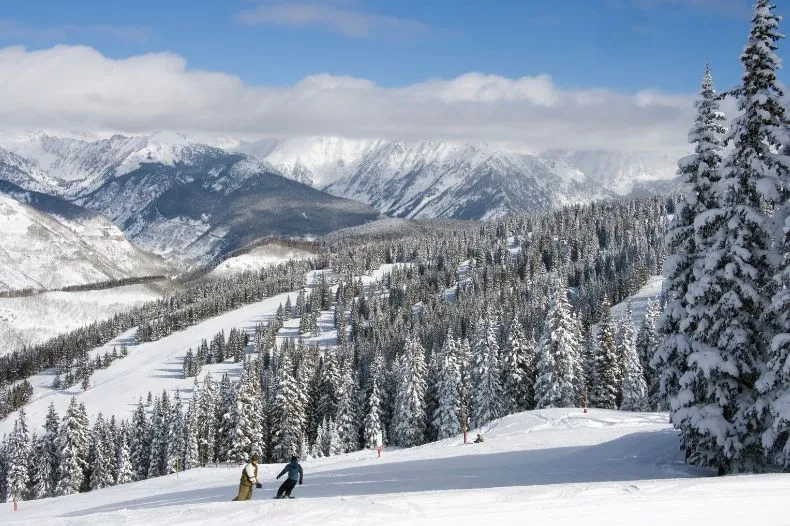
Colorado’s snow season typically spans from late October through May, though the exact duration depends heavily on elevation and location. The state experiences one of the longest ski seasons in the United States, lasting between four to seven months in most mountain areas.
Average Start and End Months
Snow in Colorado generally begins falling in the mountains during late October, with higher elevations like Estes Park and Aspen receiving the earliest snowfall. Lower areas like Denver typically see their first significant snow between November and early December.
The season ends much later in the high country compared to the plains. Most ski resorts aim to close by mid-April, though some higher elevation resorts like Arapahoe Basin can remain open until June. Denver and other Front Range cities usually see their last meaningful snow in March or early April.
The ski season length runs roughly 4 to 7 months, with Vail’s ski season typically ending in April while nearby Breckenridge may stay open into May. This extended season sets Colorado apart from many other winter destinations.
Variation Across Years
Snow season length in Colorado varies significantly from year to year based on weather patterns and temperatures. Denver’s seasonal snowfall ranges from as little as 21.3 inches to as much as 118.7 inches in extreme years, with the long-term average sitting at 56.5 inches.
La Niña and El Niño weather patterns play a major role in determining season length. La Niña years generally bring more snow to northern and central mountains, often extending the season. El Niño conditions can result in drier winters but sometimes increase southern Colorado snowfall.
Early or late season storms can dramatically shift when the snow begins and ends. Some years see significant October snowfall, while others don’t accumulate meaningful snow until December. Spring storms in April and May can extend the season unexpectedly in mountain areas.
Regional Differences in Snow Duration
Colorado’s snow season varies dramatically across different regions due to elevation and geography. Mountain towns experience snow for six to seven months, while lower elevation cities along the Front Range typically see snow for three to four months.
Mountain Towns vs. Front Range
Mountain towns like Breckenridge, Vail, and Telluride sit above 8,000 feet elevation where snow arrives as early as September and can last through May. These high-altitude areas receive consistent snowfall throughout winter, with ski resorts operating from November through April or early May.
Breckenridge and Vail both experience annual snowfall exceeding 180 inches, with snow on the ground for roughly 200 days per year. Steamboat Springs records similar totals at 184.5 inches annually. Winter Park, Copper Mountain, and Keystone also maintain deep snowpack from late fall through spring.
Denver and other Front Range cities receive much less snow and for shorter periods. Snow typically arrives in October and ends by April in these areas. The Front Range sees intermittent snowfall rather than continuous snow cover. Temperatures warm up faster at lower elevations, causing snow to melt between storms.
Annual Snowfall Totals by Location
Snowfall totals vary significantly across Colorado, with mountain locations receiving five to ten times more snow than plains cities. The following table shows average annual snowfall:
| Location | Annual Snowfall (inches) | Days with Snow |
|---|---|---|
| Breckenridge | 184.6 | 80.5 |
| Vail | 189.2 | 67.2 |
| Steamboat Springs | 184.5 | 72.7 |
| Telluride | 130.8 | 53.1 |
| Denver | 49.0 | 31.4 |
| Colorado Springs | 32.5 | 27.1 |
| Grand Junction | 17.7 | 18.1 |
Mountain towns record 150 to 190 inches of snow each winter. Front Range cities like Denver average only 49 inches. Western slope cities such as Grand Junction receive minimal snowfall at under 18 inches annually.
Microclimates and Local Variability
Microclimates create significant differences in snow duration even between nearby locations. Boulder receives 92.8 inches annually while Denver gets just 49 inches, despite being only 30 miles apart. The elevation difference of 1,000 feet and Boulder’s proximity to the foothills explains this gap.
Wind patterns and terrain features cause some slopes to accumulate more snow than others. North-facing slopes hold snow longer due to reduced sun exposure. Valley locations often see temperature inversions that affect how long snow remains on the ground.
Individual neighborhoods within the same city experience different snow conditions. Areas at higher elevations within metropolitan regions accumulate more snow and retain it longer than lower areas.
Month-By-Month Snow Patterns
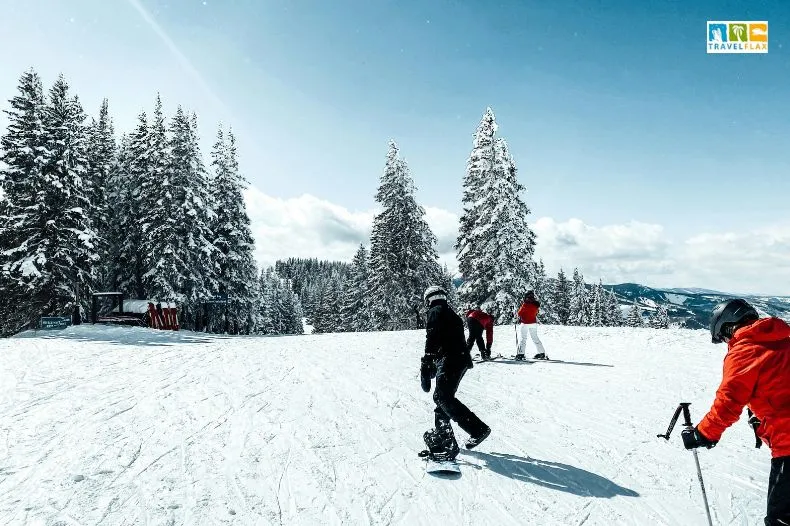
Colorado’s snow season typically spans from October through April, with snowfall varying significantly by elevation and location. March is consistently Colorado’s snowiest month, averaging 20 to 25 inches across mountain areas.
First Snowfall Timing
The first snowfall in Colorado typically arrives in October across most of the state. Mountain areas at higher elevations usually see 4 to 6 inches of snow during this month as ski resorts begin preparing for the season.
Denver and other Front Range cities may experience their first light dustings in October, though these early snows often melt quickly. Higher elevation towns receive more substantial accumulation that sticks around through the winter months.
November marks the transition into full winter conditions. Most areas see between 8 to 14 inches of snow, with ski resorts opening their runs to visitors. The mountains continue building their snowpack while lower elevations experience more intermittent snowfall.
Peak Snowfall Months
March stands out as the snowiest month in Colorado, bringing the heaviest accumulation of the entire season. The combination of cold ground temperatures and moisture-rich air systems creates ideal conditions for major storms.
December through February also deliver consistent snowfall. December typically brings 15 to 20 inches across mountain regions, while January matches those totals with reliable mid-season storms. February sees slightly lighter accumulation at 12 to 18 inches, though higher elevations continue experiencing heavy snow.
Denver sees about 56.5 inches of snow each year on average, with most of that falling during these peak winter months. The city’s annual totals can vary dramatically, ranging from as little as 21.3 inches to as much as 118.7 inches in extreme years.
Last Snowfall Timing
April marks the wind-down of Colorado’s snow season, though substantial snowfall still occurs. Mountain areas typically receive 10 to 15 inches during this month, offering spring skiing conditions with softer snow and sunnier days.
The last meaningful snowfalls in Denver and lower elevations usually happen in April, though occasional May storms are not unheard of. Snow in Colorado does not occur every month, particularly in eastern regions where the semi-arid climate brings more intermittent winter precipitation.
High elevation areas can see snow lingering into May, especially in years with particularly cold spring weather. Ski resorts at the highest elevations sometimes extend their seasons into late spring when conditions allow.
Notable Colorado Snow Destinations
Colorado’s mountain towns offer distinct snow conditions and experiences throughout the winter season. These destinations typically see snow from October through April, with peak accumulation occurring in March.
Breckenridge
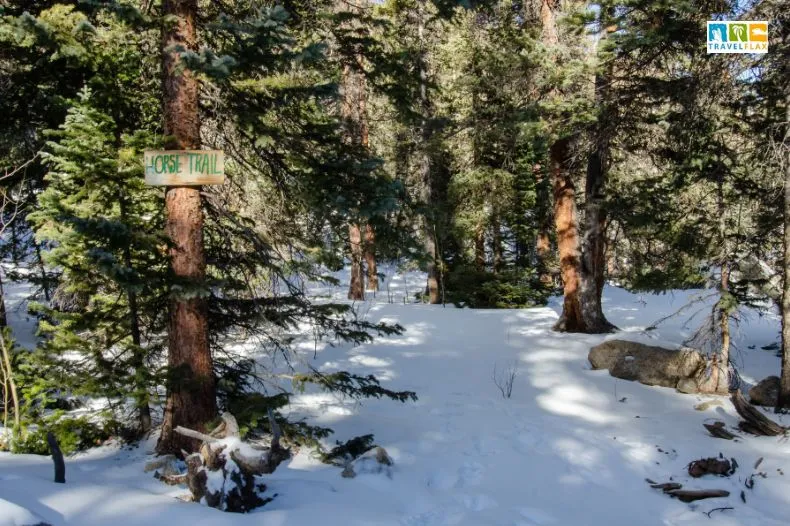
Breckenridge receives consistent snowfall starting around September 30th on average. The resort sits at high elevation, which helps it maintain snow quality throughout the season.
March brings the heaviest snowfall to Breckenridge. The town’s location in Summit County provides reliable powder conditions from early fall through late spring. Skiers can expect the resort to operate from November through April in most years.
The town offers terrain for all skill levels across five peaks. Visitors planning a Colorado ski trip often choose Breckenridge for its accessibility and consistent conditions. The resort’s high base elevation means snow sticks around longer than at lower mountain towns.
Vail
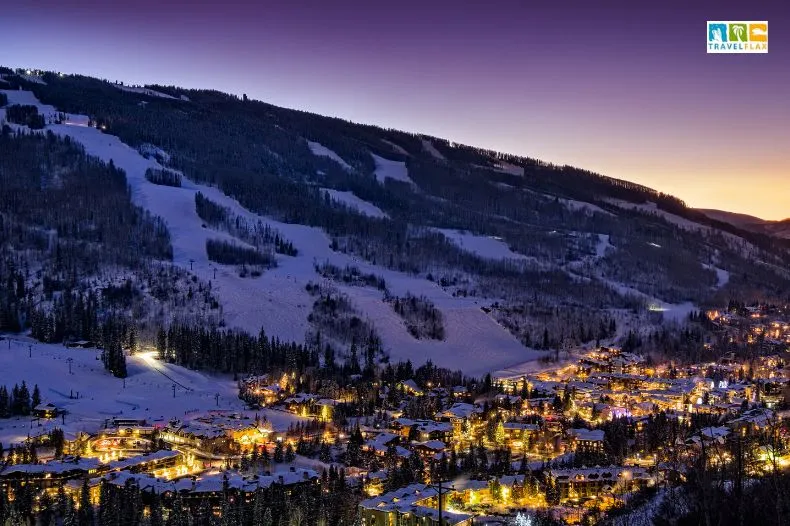
Vail ranks among the snowiest places in Colorado, receiving substantial accumulation each winter. The resort’s famous back bowls hold deep powder after storms.
Snow typically arrives by early October and continues through April. The resort covers over 5,300 acres of skiable terrain. March delivers the most snowfall, similar to other Colorado destinations.
The town experiences peak winter conditions from December through March. Vail’s size allows it to spread out crowds even during busy periods. The resort maintains excellent grooming and snow preservation practices throughout the season.
Steamboat Springs
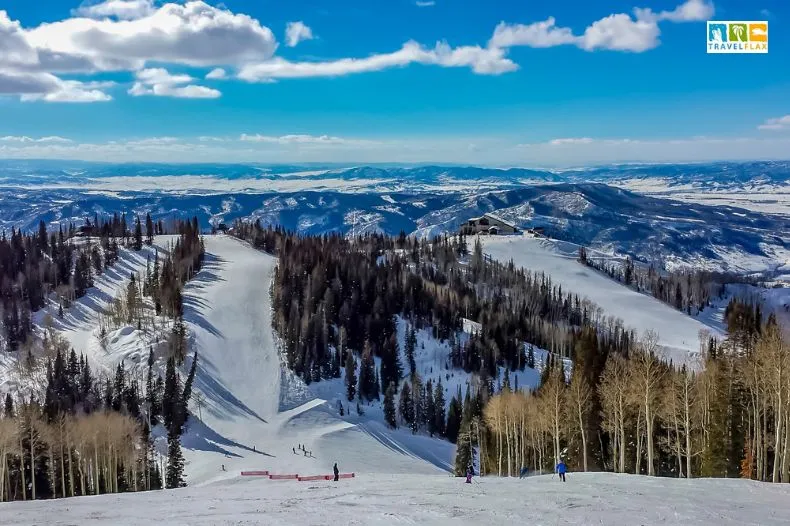
Steamboat Springs receives heavy snowfall and sits further north than many Colorado resorts. The area is known for its champagne powder snow quality.
The resort typically opens in late November and runs through mid-April. Steamboat averages over 300 inches of snow per season. The town maintains a western atmosphere distinct from other ski destinations.
Snow arrives earlier here than in southern Colorado mountains. February and March bring the most consistent conditions. The resort offers night skiing and diverse terrain options for extended winter visits.
Telluride
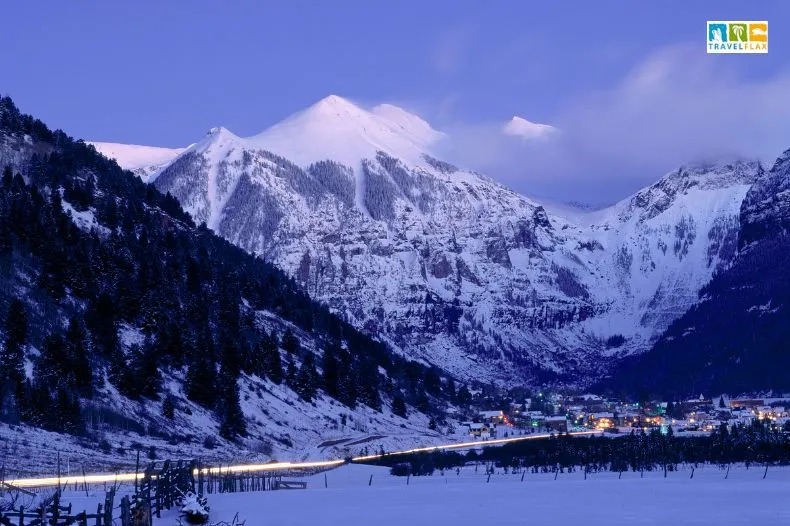
Telluride sees its first snow around October 5th on average. The town sits in a box canyon at high elevation, which creates unique snow patterns.
The resort receives steady snowfall throughout winter months. March typically brings the heaviest accumulation, with April providing good spring skiing conditions. Telluride offers steep terrain and challenging runs.
The town preserves its historic mining character while supporting modern skiing operations. Snow quality remains excellent due to the high base elevation of 8,725 feet. The season generally extends from late November through early April, depending on conditions.
Factors Influencing Snow Duration
Colorado’s snow season length depends mainly on how high up you are and what weather patterns move through the state. The mountains can see snow for seven months or more, while lower areas might only get consistent snow for three to four months.
Elevation and Geography
Elevation makes the biggest difference in how long snow lasts in Colorado. The Rocky Mountains and San Juan Mountains, which sit above 10,000 feet, can receive snow from October through May. Some high-altitude ski resorts like Arapahoe Basin stay open until June because snow sticks around at these heights.
Lower areas like Denver and the eastern plains experience much shorter snow seasons. These regions typically see snow from December to March, with storms often melting within days.
The Front Range sits in between, getting moderate snowfall that can last several months but doesn’t pile up like it does in the high country.
Geography also creates microclimates across the state. Mountain valleys can trap cold air and hold snow longer, while wind-exposed ridges might blow clear quickly.
Colorado’s diverse geography means two locations just 20 miles apart can have totally different snow conditions.
Weather Patterns and Climate Trends
La Niña and El Niño patterns shape how long snow sticks around each winter. La Niña generally brings more snow to northern and central Colorado mountains, extending the season with consistent storms. El Niño tends to create drier conditions but can sometimes increase southern Colorado snowfall.
Moisture from the Gulf of Mexico fuels many of Colorado’s biggest snow events. When this moisture combines with cold air from the north, it creates storms that dump heavy snow and help the season last longer.
This year has been different, though. The normal blizzards haven’t come to most of Colorado so far this season, showing how variable snow patterns can be from year to year. Temperature trends also matter since warmer springs can cut the season short by melting snowpack faster than usual.
Snow Duration and the Ski Season
Colorado ski resorts typically operate from late October through late April or early May, with some high-altitude areas extending into June. The ski season timing varies by resort and elevation, giving skiers multiple months to enjoy fresh powder.
Ski Resort Opening and Closing Dates
The earliest resorts to open include Keystone on October 25, 2025, and Arapahoe Basin on October 26, 2025. Winter Park follows on October 31, 2025, while Breckenridge and Copper Mountain both open November 7, 2025.
Vail opens November 14, 2025, and Telluride begins operations December 6, 2025. Most Colorado ski resorts open between early November and mid-December.
Closing dates extend from late March through mid-June depending on the resort. Arapahoe Basin offers the longest season, staying open until June 14, 2026. Breckenridge closes May 9, 2026, while both Copper Mountain and Loveland plan to operate through mid-May 2026.
Vail closes April 19, 2026, the same date as Snowmass and Steamboat. Telluride wraps up earlier on April 5, 2026. These dates can shift based on snowfall and weather conditions throughout the season.
Planning Your Colorado Ski Trip
The best snow conditions typically occur between December and March, when resorts have full terrain coverage and consistent snowfall. January and February bring the coldest temperatures but also the most reliable powder days.
Early season skiing in November offers fewer crowds but limited terrain. Late season from April into May provides longer daylight hours and warmer temperatures, though snow quality varies more day to day.
Skiers should check individual resort calendars and pack moisture-wicking base layers since weather changes quickly in the mountains. Booking a Colorado ski trip during weekdays rather than weekends helps avoid the biggest crowds at popular destinations like Breckenridge and Vail.
Frequently Asked Questions
Colorado’s snow season typically runs from October through April, though some high-elevation areas see snow as early as August and mountain resorts can receive over 300 inches annually.
What is the typical duration of the snow season in Colorado?
The snow season in Colorado generally lasts from October through April. Snow is more likely during these months, though conditions vary significantly based on location.
Mountain towns at higher elevations like Copper Mountain, Silverton, and Keystone see snow accumulating earlier and lasting later into the season. Lower elevation cities experience shorter snow seasons with less consistent coverage.
March is typically the snowiest month across the state. Denver averages 11.3 inches in March, followed by 8.8 inches in April.
Can you expect snowfall in Colorado outside of the winter months?
Snow can technically occur in any month in Colorado, though it’s rare outside the October to April window. Some areas have recorded snow as early as August.
Black Forest has experienced snow on August 16th, while Keystone has also seen August snowfall. Denver’s earliest recorded first snow occurred on September 3rd.
May typically brings only 1.7 inches of snow on average in Denver. September can see about 1 inch. July and August usually have no measurable snow at lower elevations.
June occasionally experiences small amounts of snow in mountain areas. Summer months generally feature clear skies and warm weather at most elevations.
Which areas in Colorado experience the longest periods of snowfall?
Mountain resort towns like Crested Butte, Vail, Steamboat Springs, Aspen, and Telluride experience the longest snow seasons. These areas can see consistent snowfall from September or October through May.
Crested Butte experiences the most snow days during March (21.7 days), April (21.8 days), and December (20 days). The town receives the majority of its snow in March with 23 inches on average.
Aspen receives nearly 200 inches of snow annually, while other mountain resorts can see more than 300 inches. These areas maintain snow coverage for several months continuously.
Lower elevation cities have much shorter periods of sustained snow. Grand Junction, Pueblo, and Colorado Springs see limited snow days, with coverage rarely lasting more than a few days at a time.
How does elevation affect the snowfall duration in Colorado?
Higher elevations receive more snow and maintain coverage for longer periods. Mountain towns above 8,000 feet can have snow on the ground for five to six months.
Areas at higher altitudes start seeing snow earlier in the fall. Towns and ski resorts in the Rockies often receive their first snow in September or early October.
Lower elevation areas typically don’t see their first snow until late October or November. Colorado Springs averages its first snow around October 31st, while Grand Junction doesn’t typically see snow until November 16th.
Snow melts faster at lower elevations due to warmer temperatures. Even during the snowiest months, cities like Denver see snow that doesn’t last long with average highs of 65°F in April.
What are the earliest and latest recorded snowfall events in Colorado’s history?
The earliest recorded first snow in Denver occurred on September 3rd. Some mountain areas have documented snow even earlier in the summer months.
Both Black Forest and Keystone have experienced snow as early as August. Black Forest’s average first snow date is August 16th, making it one of the earliest in the state.
The state record for 24-hour snowfall was 11.85 inches at Silver Lake in 1921. The record for snow depth was 251 inches at Wolf Creek Pass 1 E in 1979.
Late season snow can extend into May at higher elevations. Mountain areas occasionally see measurable snow in early June, though this is uncommon even at altitude.
What trends have been observed regarding snowfall duration in Colorado in recent years?
Recent winters have shown increased variability in snowfall patterns. Some seasons have been notably dry with less consistent snow coverage throughout the winter months.
Temperature fluctuations have become more common during the snow season. Warm spells between storms can cause faster melting, reducing the duration of snow coverage even when total snowfall amounts remain normal.
Ski resorts and mountain areas continue to receive substantial snowfall. However, the timing and consistency of storms have become less predictable compared to historical averages.
Lower elevation areas are experiencing more rain-snow mix events. This affects how long snow remains on the ground, particularly during shoulder seasons in October and April.