
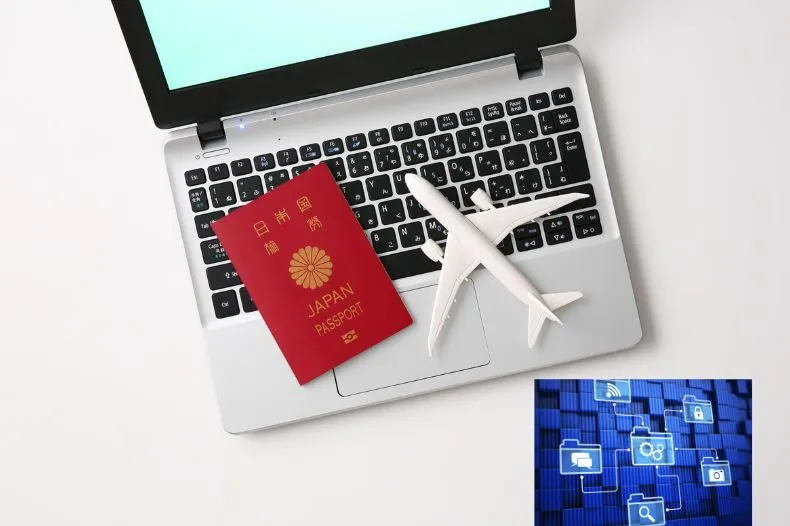
Digital visa systems are changing the way people travel across borders. In 2025, several countries have launched new digital solutions that make it easier, faster, and safer for tourists to get their travel documents and enter different nations.
This blog will explore the latest trends, benefits, challenges, and future of digital visa systems in the travel industry.
What Are Digital Visa Systems?
Digital visa systems are online platforms that let travelers apply, pay for, and receive visas electronically. Instead of visiting embassies or mailing papers, travelers use digital forms, biometrics, and secure payment gateways to complete the process.
These systems help both travelers and border agents by reducing paperwork and speeding up approvals.
Global Adoption of Digital Visa Systems
EU’s Digital Schengen Visa
In early 2025, the European Union rolled out its digital Schengen visa for 29 member states. The application process moved online, allowing users to upload documents, enter travel details, and schedule biometric scans.
Entry now uses biometric-enabled barcode systems at airports, making border checks quicker and more secure. This change cuts wait times and stops the spread of fake visas.
Japan’s JESTA System
Japan faced record tourist arrivals and responded with the Japan Electronic System for Travel Authorization (JESTA). Citizens from over 60 countries now use JESTA to apply before arrival.
The platform screens visitors against security databases and issues fast approvals. At airports, travelers scan QR codes generated by JESTA for contactless entry, cutting crowding and improving efficiency.
UK and US Upgrades: ETA and ESTA
The United Kingdom and the United States upgraded their Electronic Travel Authorization (ETA and ESTA) programs. These digital visa systems let travelers get approvals online, often within minutes.
Enhanced features include real-time data checks, stronger identity verification, and flexible updates for digital travel records.
The process is designed to catch risks early, without causing long lines or extra stress for law-abiding tourists.
Key Advantages of Digital Visa Systems
Faster Processing
Digital visa systems make the travel application process much faster. Travelers fill in forms online, scan documents, and get real-time updates via email or apps. Many visas are approved within hours or days, not weeks.
Improved Security
Biometric scans (face or fingerprint) become part of the application. This data is checked against crime databases, reducing the chances of identity fraud or illegal entry. The secure systems also leave a clear trace, helping border agencies spot suspicious patterns or travel histories.
More Convenient for Travelers
Travelers can apply for visas from anywhere with internet access, removing the need to visit embassies. This convenience opens travel opportunities to people in smaller towns or those with mobility challenges.
Enhanced Border Management
For border officials, digital visa systems offer clearer data about who is entering and leaving. Systems flag high-risk travelers and allow authorities to take action with better information. The result is a smoother, safer travel experience for everyone.
Digital Visa Systems: Impact on the Travel Industry
Boost for Tourism
By making visas easier to get, more countries are attracting tourists. In 2025, places like Spain and Japan saw record arrivals due to faster digital approvals. Tourists are more likely to visit countries where the paperwork is simple and entry is hassle-free.
Support for Business Travel
Business travelers benefit from rapid, digital approvals. Many digital visa systems offer express services for work trips, helping international businesses keep projects on schedule.
COVID-19 and Health Screening Integration
Many digital visa systems now include health screening. Travelers submit vaccine certificates or test results online as part of their visa process. Airlines and airports use this data for safe boarding and arrival screening.
Challenges of Digital Visa Systems
Data Privacy and Security
Digital visa systems collect large amounts of personal information. Protecting this data is critical. Governments must invest in robust cybersecurity to keep traveler details safe.
Access and Digital Literacy
Not everyone is tech-savvy or has steady internet access. Some travelers may have trouble with online forms or need help submitting documents. Support centers and multilingual help desks are important to make digital visa systems truly inclusive.
Changing Rules and Global Standards
Visa rules often change with political or security shifts. Keeping digital systems up to date and compliant can be complex, especially when travelers visit multiple countries with different digital requirements.
The Future Outlook for Digital Visa Systems
Digital visa systems are set to become even smarter and more secure. Artificial intelligence will soon help flag risks, speed up applications, and personalize traveler experiences.
Blockchain technology could add new layers of security, and mobile-first platforms will make it easier to access visas on the go.
More countries may cooperate to accept common systems, allowing for smoother travel across entire regions, like the EU’s Schengen area.
Eventually, digital visa systems could make international travel as easy as buying a flight ticket online.
Sources
https://travel-europe.europa.eu/pub
Final Thoughts
Digital visa systems are transforming how people move around the world in 2025. They offer quick approvals, better security, and less hassle for travelers and border agents.
While challenges like privacy and access remain, ongoing upgrades and international cooperation promise a future where travel is easier, safer, and more accessible for all.